
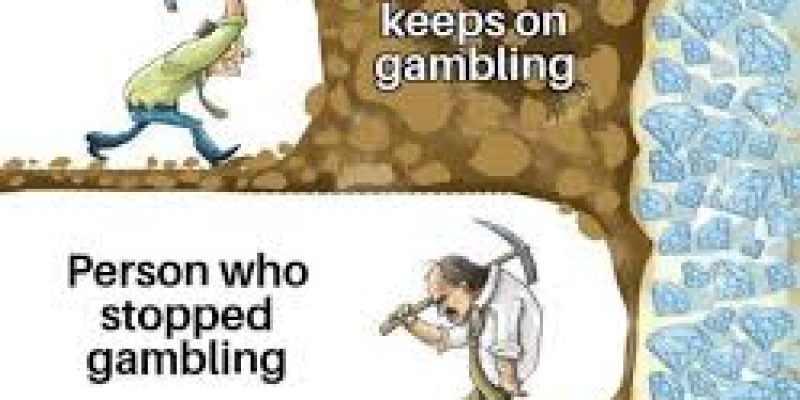
The 2016/17 La Liga season was full of late goals and dramatic swings, which made it especially painful when a last-minute moment ruined a carefully planned bet. Those emotional spikes are exactly what push many bettors into chasing losses—placing bigger or more frequent bets to get their money back—which research identifies as a key marker of the shift from casual betting toward problematic gambling. Learning how to handle those feelings in the minutes and hours after a losing ticket is therefore not just about comfort; it is central to protecting your bankroll and your long-term relationship with betting.
Why La Liga 2016/17 Losses Hit So Hard Emotionally
La Liga 2016/17 combined a tight title race with high-profile matches, late winners, and controversial moments, all of which amplified emotional investment in each bet. When you watched Real Madrid and Barcelona decide games in stoppage time, a single goal often meant the difference between profit and loss, turning routine wagers into intensely personal experiences. The outcome is that losing a bet in this context easily feels unjust or “unlucky,” which increases the urge to immediately correct the perceived injustice by staking more on the next kick-off.
How Chasing Losses Works at a Psychological Level
Chasing losses is not just a bad habit; it is a specific pattern where a gambler increases bet size, frequency, or risk after losing in an attempt to recover previous losses quickly. Studies highlight that this behaviour often stems from impaired control over impulses and mood-related urgency, where negative emotions create a sense of “must act now” that overrides prior plans and limits. The impact is that once you shift from accepting a loss to trying to erase it, your decisions stop being grounded in analysis of La Liga 2016/17 matches and start being driven by emotional discomfort, which usually accelerates financial and psychological damage.
Mechanism: From single loss to chasing spiral
The transition typically starts with a sharp emotional reaction—anger, disbelief, or shame—immediately after a losing bet, especially if a late goal or referee call was involved. That reaction often triggers distorted thinking: feeling “due” for a win, believing your read of the game was so good that the loss was a fluke, or telling yourself that recovering quickly will prove you were right all along. Once those thoughts take hold, many bettors abandon their original staking rules and add more bets, larger stakes, or riskier markets, creating a loop where each new loss deepens the urge to chase and makes it harder to stop.
Recognising Emotional Warning Signs After a Lost Ticket
Controlling emotions starts with recognising them as they arise instead of letting them run in the background while you continue to bet. After a painful La Liga 2016/17 loss, you can deliberately pause and identify whether you are feeling frustration, embarrassment, anxiety, or a mix of these, because each feeling tends to push behaviour in predictable directions. When you notice restlessness, irritability, or an intense focus on “getting it back” rather than on the actual quality of upcoming matches, you are seeing early signs that your emotional state—not your analysis—is now driving decisions.
Table: Emotional states and typical risky responses
To make this more concrete, it helps to map common post-loss emotions to the behaviours they often trigger, so you can spot the pattern early. This mapping does not label the emotions as bad; it shows what tends to happen when they go unmanaged. With that awareness, you can choose alternative responses before the slide into chasing becomes automatic.
| Emotion you notice | Typical impulsive response | Safer intentional response |
| Anger at late goal | Double stake on next in-play market | Stop betting, walk away for the rest of the day |
| Shame about the loss | Hide bet from others, secretly reload | Talk honestly with a trusted friend, review stakes |
| Anxiety about money | Use credit or borrowed funds to “fix it” | Re-check budget, accept today’s loss as final |
| Feeling “due a win” | Add more La Liga bets to the slip | Write down why you think you’re due, then pause |
This table shows that the same emotion can be a turning point in two directions: toward loss of control or toward deliberate, self-protective action. Seeing your feelings as signals rather than commands is what allows you to choose the second path, especially in seasons with as much drama as La Liga 2016/17.
Using Simple Rituals to Break the Immediate Reaction Loop
Because the urge to chase is strongest in the minutes after a loss, you need simple, pre-defined rituals that interrupt automatic behaviour before you open another betting screen. These rituals can be surprisingly basic—standing up, stepping outside, or writing down what just happened—but their purpose is to create a physical and mental gap between the loss and any new decision. The impact is that even a short break weakens the emotional spike enough for your original rules, limits, and analysis to re-enter the conversation in your head.
Structured Checklist Before Any “Recovery” Bet
One practical tool is a structured checklist that must be completed before you place any bet after a La Liga loss, especially if you feel an urge to recover immediately. It forces you to answer clear questions that expose whether you are making a reasoned decision or just reacting to discomfort. By treating the checklist as mandatory, you transform an emotional moment into a deliberate review, which greatly reduces the chance of sliding into a chasing pattern.
- What was my original daily or matchday loss limit, and have I already hit it?
- If I place this next bet and it loses, will it break my weekly or monthly budget?
- Would I still want this bet if I had just won my previous ticket instead of losing it?
- Am I choosing this match and market because of analysis, or just because it starts soon?
- Have I taken at least a 15–30 minute break since the last loss to cool down?
Interpreted together, these questions expose the core of chasing: the desire to change the emotional narrative quickly rather than to find a genuinely valuable opportunity. If your honest answers reveal that you are over budget, rushing into an available game, or would not even consider this bet after a win, the checklist itself becomes your stop signal, showing that stepping away is the rational choice.
Role of Discipline and Psychology in a La Liga Season
Across a full season like La Liga 2016/17, losing tickets are inevitable, regardless of how strong your analysis is. The difference between sustainable betting and destructive behaviour lies in how you interpret those losses: as feedback about variance and strategy, or as threats to your self-image that must be undone quickly. When you frame each loss as one data point in a long series—reviewing stakes, closing lines, and decision quality—you train your mind to see betting as a process rather than a sequence of emotional verdicts, reducing the power of any single bad night to trigger chasing.
Interacting With Betting Services Without Fueling Chasing
The design of modern betting services—live odds, prompts, and constant notifications—can accelerate chasing when you are already upset. If your La Liga 2016/17 bet loses due to a late goal and your app immediately highlights other in-play options, the interface itself can feel like an invitation to keep going. To stay in control, a disciplined bettor might use account tools to set deposit and time limits in advance, and commit to logging out entirely after any significant loss, regardless of what new markets appear on the screen.
In more concrete terms, consider how a user interacts with their chosen betting destination after a bad beat: instead of scrolling through fresh markets and building a new slip on impulse, they could open their betting history, check how the day’s wagers fit into their overall plan, and then deliberately stop for at least 24 hours if the pattern shows rising stakes or repeated losses. When used in this way, even a familiar environment centred around สมัคร ufabet ufa168 ทางเข้า becomes a tool for enforcing boundaries rather than a trigger for escalation, because the bettor’s rules dictate when to engage, not the platform’s prompts.
When a casino online Context Helps or Hurts Emotional Control
Any environment used for betting on La Liga—especially those resembling a casino—can either support emotional control or undermine it, depending on how you configure and respond to it. A context that mixes sports bets with other fast-paced gambling options can make it easier to blur your own limits, especially after a frustrating football loss, because there is always “one more” option available. To stay in charge, a bettor who has just lost a 2016/17 La Liga ticket might deliberately avoid switching to other games in their preferred casino online website, instead using built-in tools to lock their account temporarily or to restrict access after a certain loss threshold, so that the possibility of chasing across different products is cut off before it starts.
Summary
The emotional intensity of La Liga 2016/17 made losing bets especially hard to swallow, which in turn raised the risk of chasing losses in the heat of the moment. Understanding how loss-chasing develops—from a sharp emotional reaction to a series of impulsive “recovery” wagers—allows you to interrupt the process with awareness, checklists, and simple rituals that create space for rational thought. When you combine those psychological tools with pre-set financial limits and careful use of betting environments, every lost La Liga ticket remains what it should be: one small, manageable outcome in a controlled entertainment activity, rather than the starting point of a destructive spiral to win back what has already gone.