
Entertainment has changed dramatically over the past few decades. What once meant sitting in front of a television, visiting an arcade, or gathering around a board game can now happen with a few taps on a screen. The growth of the daftar deal88 has played a major role in this transformation. Today, people can connect, compete, explore, and relax with players from almost anywhere in the world.
But how did gaming become such a powerful part of modern digital entertainment? The answer lies in a combination of better technology, changing social habits, and a growing desire for interactive experiences.
The Early Days of Online Game Entertainment
The story began with simple multiplayer experiences. Early computer networks allowed a small number of players to interact within basic digital environments. The graphics were limited, and internet connections could be frustratingly slow. Still, something important happened: gaming no longer had to be a completely solitary activity.
Players could compete against people they had never met. That simple idea created excitement.
Imagine someone sitting at home in the early days of the internet, waiting patiently for a connection before joining a digital match. The experience may seem primitive now, but at the time, it felt revolutionary. A screen suddenly became a doorway to another community.
As internet access improved, developers gained more freedom to create larger and more engaging experiences.
Faster Internet Changed Everything
The arrival of broadband connections became a major turning point. Faster internet meant smoother gameplay, quicker communication, and more ambitious multiplayer worlds.
Games could now support larger communities. Players could form teams, participate in competitions, and spend hours exploring shared digital spaces. Voice communication added another layer, allowing friends to talk while playing instead of relying only on text.
This shift also changed the meaning of entertainment. Watching a movie is mostly passive. Gaming asks people to participate. Every decision can affect what happens next.
That sense of control is one reason interactive entertainment continues to attract such a wide audience.
The Rise of Mobile Gaming
Then came another major change: smartphones.
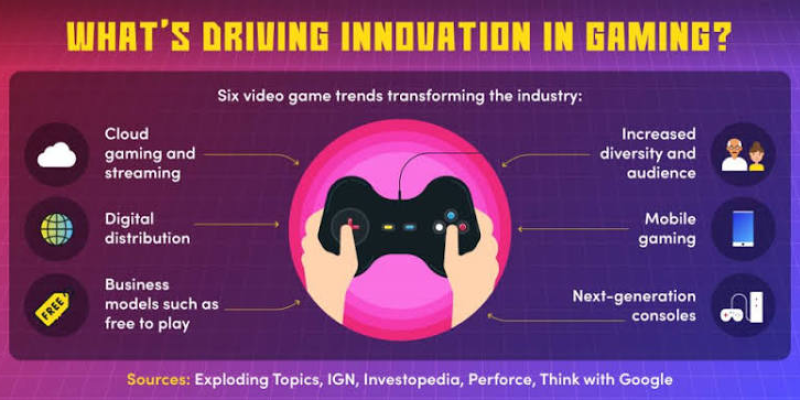
Suddenly, gaming was no longer limited to computers and dedicated consoles. People could play during a lunch break, while traveling, or while relaxing at home. Mobile technology made digital entertainment more accessible than ever.
This accessibility opened gaming to people who might never have considered themselves traditional gamers. Casual puzzles, strategy challenges, racing experiences, and social games became part of everyday life.
Think about a commuter opening a game on a phone while waiting for a bus. Ten minutes that might have felt boring can quickly become an enjoyable little adventure.
The convenience is hard to ignore.
Online Game Communities Became Social Spaces
One of the most interesting developments has been the growth of gaming communities. Players are no longer simply purchasing entertainment. They are joining social environments.
Friends can meet inside virtual worlds. Strangers can become teammates. Online communities can develop their own jokes, traditions, rivalries, and friendships.
For many players, the social experience is just as important as winning.
This is particularly noticeable in cooperative games. A difficult challenge becomes easier when several people communicate and work toward the same goal. Success feels more rewarding because it is shared.
Of course, online communities can also have problems. Arguments, toxic behavior, and unhealthy competition can sometimes take away from the experience. Responsible participation and respectful communication therefore matter just as much as technical skill.
Streaming and Esports Added a New Dimension
Gaming has also expanded beyond the act of playing. Streaming platforms have allowed players to broadcast their sessions to huge audiences.
A person who starts playing from a bedroom can eventually build a community of thousands of viewers. Fans watch for entertainment, advice, humor, or simply the excitement of seeing someone tackle a difficult challenge.
Esports has taken this idea even further. Competitive gaming now attracts organized teams, professional players, major tournaments, and passionate audiences.
Why watch someone else play when you could play yourself? For the same reason people enjoy watching football or cricket. Competition can be entertaining even when you are not the person holding the controller.
Technology Continues to Shape the Experience
Modern gaming technology continues to evolve rapidly. Better graphics, improved sound, cloud services, and more capable devices are creating increasingly immersive experiences.
Developers can build detailed environments that feel alive. Players can customize characters, communicate instantly, and move between different platforms. Some games even create experiences that continue developing long after their initial release.
Yet technology alone is not responsible for gaming’s popularity.
At its heart, gaming remains about human emotions. Players want excitement. They want discovery. They want achievement. Sometimes, they simply want to forget about a stressful day for an hour.
That emotional connection gives interactive entertainment its staying power.
What Comes Next?
The future of digital gaming looks increasingly connected and interactive. New devices and services will likely make experiences more accessible, while developers continue experimenting with fresh ideas.
However, the most successful games will probably remain those that understand what players actually want. Stunning visuals may attract attention, but memorable characters, meaningful challenges, social connections, and enjoyable gameplay keep people coming back.
The evolution of gaming is therefore more than a story about technology. It is a story about how people choose to spend their free time and connect with others.
From simple deal88 alternatif multiplayer experiments to massive digital communities, the journey has been remarkable. What started as a niche form of entertainment has become a major part of modern culture.
As the digital world continues to change, there is no telling what the next generation of gaming experiences will look like. One thing seems certain: the desire to play, compete, explore, and connect will continue. If you enjoy discovering new experiences, now may be the perfect time to explore what today’s gaming world has to offer.