
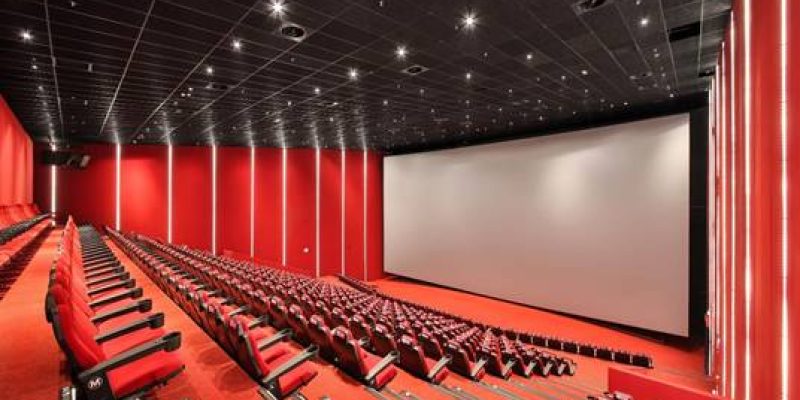
Streaming services have changed how audiences watch movies. Viewers can access thousands of titles from home, pause whenever they want, and enjoy entertainment on increasingly advanced televisions. For cinemas, competing on convenience alone is difficult. Instead, theaters have an opportunity to offer something that home viewing cannot easily replicate: a truly impressive big-screen experience.
Picture quality is becoming an important part of that strategy. Advances in RGB laser cinema projection are helping theaters deliver richer colors, brighter images, and stronger contrast, giving audiences more reasons to experience films on the big screen. Technologies such as Christie’s Real Laser projection demonstrate how modern projection systems can help elevate cinematic presentation.
1. Making the Big Screen Feel Different
A large screen is only impressive when the image looks sharp, bright, and detailed. Poor contrast or faded colors can make even a visually ambitious movie feel less engaging.
Modern projection technology helps theaters present films with greater visual impact. Richer colors, consistent brightness, and improved image clarity can make landscapes, costumes, lighting effects, and other details feel more immersive.
This difference matters because audiences increasingly compare cinema experiences with the high-quality displays available at home.
2. Bringing More Realistic Colors to the Screen
Color is one of the most powerful elements of filmmaking. It establishes atmosphere, communicates emotion, and helps audiences connect with a story.
RGB laser systems use separate red, green, and blue laser light sources to produce a broad range of colors. This allows compatible projection systems to reproduce more vivid and realistic images.
For filmmakers, accurate color presentation helps preserve the visual intent behind a movie. For audiences, it creates a more engaging experience, especially in films with elaborate visual effects, animation, and carefully designed cinematography.
3. Improving Contrast and Dark-Scene Detail
Some of the most memorable movie moments happen in dark environments. However, scenes involving shadows, nighttime settings, or subtle lighting can lose important details when projection contrast is limited.
Advanced laser projection technology can improve the distinction between bright and dark areas. Better contrast helps preserve visual depth, making images appear more defined and allowing audiences to notice details that might otherwise be difficult to see.
The result is a more consistent viewing experience across different types of films.
4. Making Cinema Technology More Efficient
Picture quality is important, but theater operators must also consider operating costs. Projection systems need to deliver reliable performance without creating unnecessary maintenance or energy expenses.
Modern laser projectors can offer long-lasting illumination and improved energy efficiency compared with some traditional projection technologies. These advantages may help theaters manage operating costs while maintaining presentation quality.
The right investment depends on screen size, auditorium requirements, equipment costs, and expected usage.
5. Giving Audiences a Reason to Leave Home
Convenience will remain one of streaming’s biggest advantages. Cinemas, however, can compete by offering an experience that feels special rather than simply providing access to a movie.
A large screen, immersive sound, comfortable seating, and outstanding picture quality work together to create that experience.
Final Thoughts
The future of cinema is not just about showing movies on bigger screens. It is about presenting them in a way that makes audiences appreciate the experience of watching together in a theater.
As projection technology continues to improve, picture quality can become one of the industry’s strongest advantages in an increasingly competitive entertainment market.