
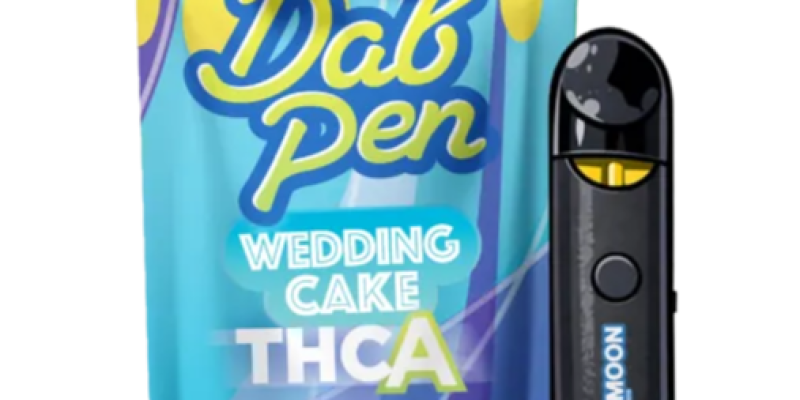
THC-A disposable vapes combine a pre-filled vape device with a cannabinoid-based oil or extract. They are designed for use without separate cartridges or a rechargeable vape setup, although device features vary by manufacturer. Before exploring a THC-A disposable shop, it helps to understand what THC-A is, how disposable devices operate, and which product details deserve careful attention.
THC-A, short for tetrahydrocannabinolic acid, is a cannabinoid naturally found in cannabis and hemp plants. It differs from delta-9 THC in its chemical structure. Heat can convert THC-A into delta-9 THC, which means a product containing THC-A may have intoxicating effects when heated and inhaled.
What Makes a THC-A Disposable Different?
A disposable vape is a compact device that generally contains a battery, heating element and pre-filled chamber. These parts work together to heat the vape material and produce an aerosol for inhalation. Most models are intended to be discarded when the liquid or battery is depleted.
The main difference between disposable and refillable devices is convenience of setup. A disposable usually arrives ready for use, while refillable systems require separate components and maintenance.
The main parts inside the device
The battery supplies power to the heating element. The heating element warms the material in the chamber, while the mouthpiece directs the resulting aerosol. Some devices activate when the user inhales, while others include a button or additional settings.
Battery capacity, chamber size and airflow design can differ between models. These details affect how a device operates, but they do not establish the quality or safety of the cannabinoid material inside it.
How the heating process affects THC-A
THC-A can undergo decarboxylation when exposed to heat. During this chemical process, it loses a carboxyl group and can become delta-9 THC. This is why THC-A should not be described as automatically non-intoxicating when used in a heated product.
The actual cannabinoid profile of a vape product depends on its formulation and processing. A product label and independent laboratory report are more useful than assumptions based on the THC-A name alone.
THC-A, Delta-9 THC and Other Cannabinoids
Cannabis and hemp contain several cannabinoids, each with a different chemical structure. THC-A and delta-9 THC are closely related, but they are not the same compound. Understanding this difference helps explain why product descriptions may list more than one cannabinoid.
Cannabinoid content also matters when comparing products. A device may contain THC-A alongside other compounds, so checking the full profile can provide a clearer picture of its contents.
THC-A compared with delta-9 THC
THC-A is the acidic form that can convert into delta-9 THC through heat exposure. Delta-9 THC is commonly associated with cannabis intoxication. The conversion process means a heated THC-A vape may produce intoxicating effects.
Consumers should avoid relying on phrases such as “non-psychoactive” without checking the product’s actual composition and intended use. Marketing language does not replace laboratory testing or safety information.
Why cannabinoid profiles matter
A cannabinoid profile identifies the compounds detected in a sample and their measured amounts. It can help consumers understand whether a product contains THC-A, delta-9 THC or other cannabinoids.
The profile should be supported by a certificate of analysis from an independent laboratory. Check that the report identifies the correct product or batch and provides readable results. A report that cannot be matched to the product offers limited reassurance.
What to Review Before Shopping for THC-A Disposables
Product listings can vary in how much information they provide. A clear listing should explain the device type, cannabinoid content, ingredients and relevant warnings. Before using a THC-A disposables online store, take time to review these details rather than judging a product by its appearance or flavour description.
Check the certificate of analysis
A certificate of analysis, or COA, is a laboratory document that reports test results for a product sample. Depending on the testing panel, it may show cannabinoid levels and screening for certain contaminants.
Confirm that the laboratory is identified and that the report corresponds to the product and batch being sold. Look for clear THC-A and delta-9 THC measurements. If the seller does not provide meaningful testing information, there is no reliable way to verify the advertised cannabinoid profile from the listing alone.
Read the ingredient and device information
The ingredient list should identify the materials used in the vape formulation. Pay attention to added flavourings, carrier ingredients and any other substances included in the oil or extract.
The product description should also provide useful device details, such as whether it is rechargeable, how it activates and whether it is intended to be disposable. Avoid products with unclear ingredients, missing manufacturer information or unsupported claims about purity.
Safety Risks Linked to Inhaled Cannabinoid Products
Inhaling substances can affect the respiratory system. Vape aerosols are not simply harmless water vapour, and the risks can vary according to the ingredients, device quality and user’s health. Laboratory testing may provide information about a sample, but it cannot establish that inhalation is risk-free.
THC-A products also require awareness of possible impairment because heating can convert THC-A into delta-9 THC.
Impairment and delayed judgement
Cannabinoid products may affect attention, coordination, reaction time and judgement. Do not drive, cycle in traffic or operate machinery after using a product that may cause impairment. Avoid combining cannabinoid products with alcohol or other substances that affect alertness.
Effects can vary between individuals and products. Do not assume that a familiar device or a particular flavour indicates predictable effects.
Respiratory and general health concerns
People with respiratory conditions should be especially cautious about inhaled products. Anyone who experiences breathing difficulty, chest discomfort or another concerning reaction should stop using the product and seek medical attention when needed.
Pregnant or breastfeeding individuals should avoid cannabinoid products unless advised otherwise by a qualified healthcare professional. Cannabinoids may also interact with prescription medicines. Discuss potential use with a healthcare professional before considering these products if you take medication or have an existing health condition.
Storage, Battery Care and Disposal
Disposable vapes contain electronic components and batteries, so they should be handled with care. Follow the manufacturer’s storage instructions and keep the device away from excessive heat, direct sunlight and moisture. Do not leave it where children or pets can reach it.
A damaged, leaking, unusually hot or malfunctioning device should not be used. Avoid opening, modifying or attempting to repair a disposable vape. These actions can expose the user to battery or material-related hazards.
Once depleted, dispose of the device according to local electronic waste and battery disposal rules. Do not assume that a vape belongs in ordinary household rubbish. Local recycling centres may provide instructions for handling small battery-powered devices.
THC-A Disposable Vape Laws in the United States
The legal position of THC-A products can vary across the United States. Federal hemp definitions, state-level restrictions and local rules may not treat every product in the same way. Regulations can also change, and a product being listed by an online seller does not confirm that it can legally be purchased or possessed in every location.
Check the current laws where you live before ordering. Review age requirements, shipping restrictions and any local rules that apply to cannabinoid products. Never attempt to purchase or use a product where it is prohibited.
Making Sense of Product Information Before a Purchase
A disposable vape should be assessed by its actual contents and available documentation, not just its design or advertised strength. Clear cannabinoid measurements, batch-specific testing, complete ingredient details and responsible safety information help consumers make informed decisions.
Blue Moon Hemp has an online category for THC-A disposable products. Review the information provided for each listing and check whether it answers your questions about ingredients, testing, device features and legal restrictions.
THC-A disposables are heated cannabinoid products that may cause impairment and carry inhalation-related risks. Understanding their contents and handling requirements is essential before making any decision about them.
Frequently Asked Questions
1. What is a THC-A disposable vape?
It is a pre-filled vape device containing a cannabinoid formulation that includes THC-A. The device generally has a built-in battery and heating element. Heating can convert THC-A into delta-9 THC.
2. Does THC-A become delta-9 THC when heated?
Yes. THC-A can undergo decarboxylation when exposed to sufficient heat, converting it into delta-9 THC. This is why heated THC-A products may have intoxicating effects.
3. What should a THC-A disposable vape certificate of analysis show?
A COA should identify the tested sample and provide cannabinoid measurements. Depending on the testing panel, it may also include screening for certain contaminants. Check that the report matches the product and batch.
4. Are THC-A disposable vapes legal throughout the USA?
No single answer applies to every state. Federal, state and local rules can differ, and regulations may change. Check the laws and shipping restrictions that apply to your location before purchasing.
5. Where can I find THC-A disposable products from Blue Moon Hemp?
Visit Blue Moon Hemp to review its website and available product information. Read each listing carefully and check its ingredients, cannabinoid details, laboratory testing and applicable restrictions.