
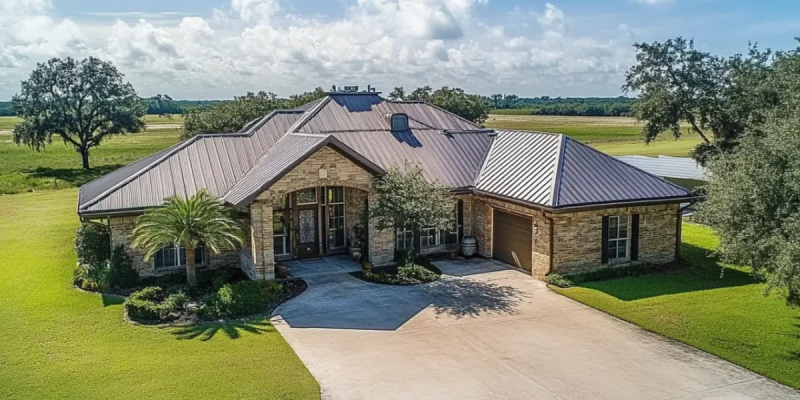
South Texas weather can be tough on a home’s exterior, and the roof often takes the hardest hit. Between scorching summer heat, sudden downpours, wind, and hail risk, homeowners in San Antonio need a roof that is more than just good-looking. It needs to be durable, well-maintained, and ready for seasonal changes.
Start With the Roof’s Everyday Role
A roof does much more than cover the top of a house. It helps control indoor comfort, protects insulation, redirects water, and supports the overall structure of the property. When roofing components begin to fail, the effects can show up in unexpected places, such as attic moisture, stained drywall, musty odors, or rising utility costs.
For homeowners comparing repair options, maintenance plans, or replacement timing, researching the best roofing company San Antonio can be a helpful starting point for understanding what dependable local roofing service should involve.
Common Roofing Stressors in San Antonio
San Antonio homes face several conditions that can shorten a roof’s lifespan if they are ignored.
Heat is one of the biggest factors. Long periods of direct sunlight can dry out shingles, fade materials, and weaken protective layers. Storm activity is another concern, especially when strong wind lifts edges or hail damages the surface. Heavy rain can also expose poor drainage, damaged flashing, or clogged gutters.
Homeowners should pay attention to:
- Loose or missing shingles
- Granules collecting near downspouts
- Water spots on ceilings
- Soft or sagging roof sections
- Cracked sealant around roof penetrations
- Debris buildup in valleys or gutters
Small signs do not always mean a full replacement is needed, but they should not be ignored.
Why Timing Matters With Roof Repairs
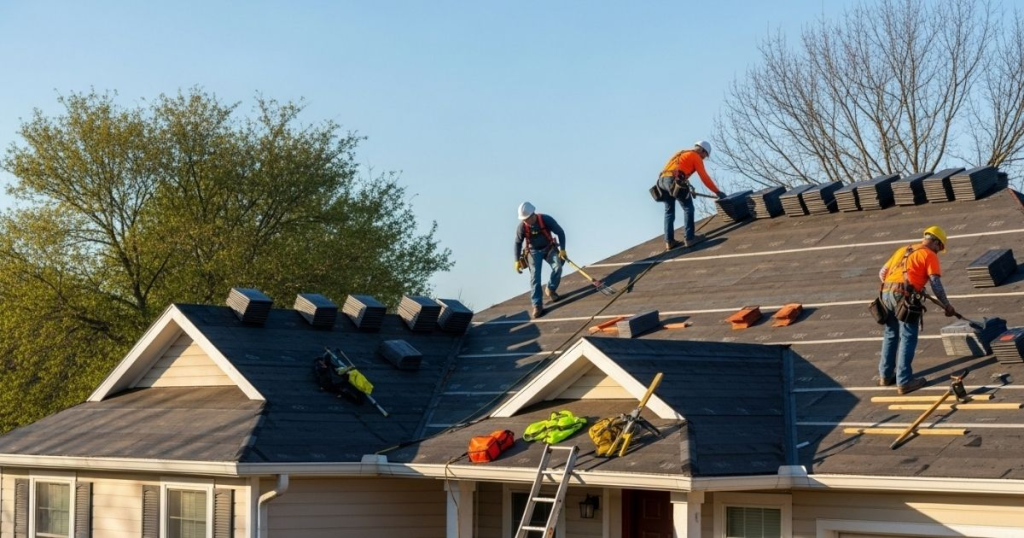
Many roofing problems start small. A lifted shingle, minor flashing gap, or clogged drainage area may not seem urgent at first. However, once water gets below the surface, damage can spread into decking, insulation, and interior finishes.
Scheduling an inspection after major storms is a smart habit. It is also wise to check the roof before selling a home, installing solar panels, or beginning major exterior upgrades. A roof in poor condition can delay other projects and create unexpected costs.
Choosing Materials With Local Conditions in Mind
Not every roofing material performs the same way in South Texas. Homeowners should consider durability, ventilation, energy performance, appearance, and maintenance requirements.
Asphalt shingles remain popular because they are versatile and available in many styles. Metal roofing may appeal to homeowners looking for long-term performance and heat reflection. Tile can offer a distinctive look, though it may require stronger structural support. The right choice depends on budget, home design, neighborhood standards, and long-term goals.
Maintenance Habits That Extend Roof Life
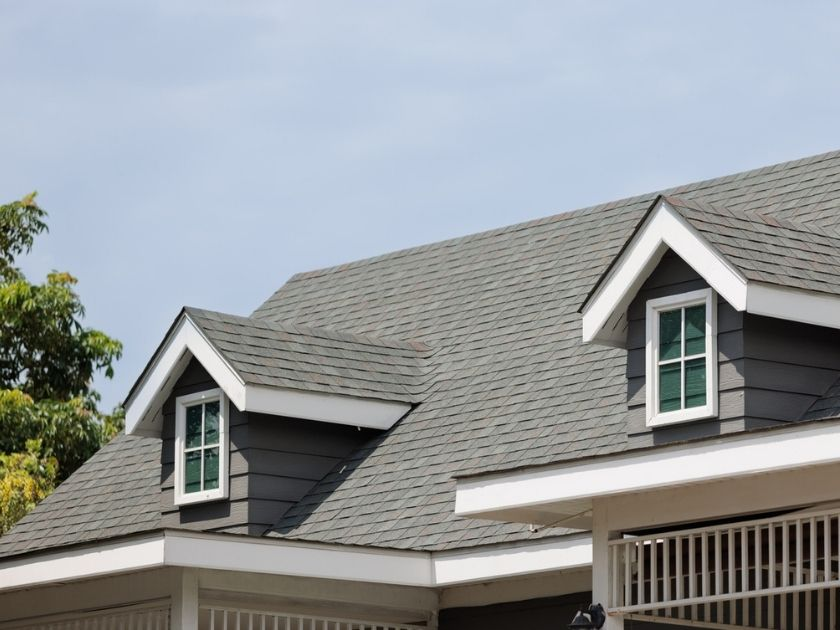
Roof care does not have to be complicated. A few routine habits can help prevent avoidable damage.
Clean gutters regularly so water can flow away from the roofline. Trim branches that scrape roofing materials or drop excessive debris. Look inside the attic for signs of moisture, poor ventilation, or daylight coming through roof boards. After severe weather, walk around the property and check for visible damage from the ground.
Professional inspections are also useful because trained roofers can spot problems homeowners may miss.
Conclusion
A reliable roof is one of the most important parts of a safe, comfortable, and efficient home. In San Antonio, where weather conditions can change quickly, proactive roof care helps homeowners avoid larger repairs and protect long-term property value. By understanding local roofing challenges, watching for early warning signs, and making informed service decisions, homeowners can keep their properties better prepared year-round.