
Introduction
Safety is one of the most important aspects of daily life, whether at home, in the workplace, on construction sites, or in industrial environments. Every year, thousands of injuries occur because proper safety equipment is not used or maintained correctly. This is why understanding the role of the best safety equipments is essential for individuals and organizations alike.
Safety equipment is designed to protect people from potential hazards that may cause injuries, illnesses, or even fatalities. From helmets and gloves to respirators and protective clothing, safety gear creates a barrier between workers and dangerous conditions. Businesses that invest in quality safety equipment not only protect employees but also improve productivity, reduce downtime, and comply with safety regulations.
For beginners, selecting the right safety equipment can seem overwhelming because there are many options available for different industries and situations. Understanding the purpose of each piece of equipment makes it easier to choose the most effective protection.
This comprehensive guide explains everything you need to know about best safety equipments, including their importance, how to choose them, benefits, risks, common mistakes, expert recommendations, and frequently asked questions. By the end of this article, you will have a clear understanding of how proper safety equipment helps create a safer and more secure environment.
What is Best Safety Equipments?
Best safety equipments refer to high-quality protective tools, devices, and clothing designed to protect individuals from workplace hazards, environmental dangers, and accidents. These equipments minimize the risk of injury by providing physical protection against impacts, chemicals, electrical hazards, dust, noise, heat, and other dangerous conditions.
Safety equipment can be used in various industries including construction, manufacturing, healthcare, mining, transportation, oil and gas, laboratories, and even household projects. The specific type of safety equipment required depends on the risks associated with a particular task or environment.
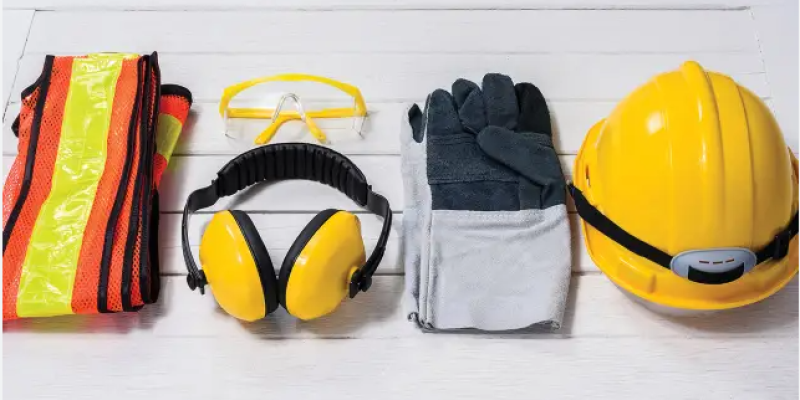
Common examples of safety equipment include safety helmets, goggles, face shields, gloves, ear protection, safety shoes, respiratory masks, protective clothing, harnesses, and fire-resistant gear. Modern safety equipment is designed with advanced materials and technology to improve comfort, durability, and effectiveness while ensuring maximum protection for users.
Why is Best Safety Equipments Important?
Safety equipment plays a critical role in preventing workplace injuries and reducing health risks. Without proper protection, workers are exposed to numerous hazards that can cause severe physical harm, long-term illnesses, or even life-threatening situations. Wearing appropriate safety gear significantly lowers the likelihood of accidents and ensures a safer working environment.
Organizations that prioritize safety equipment demonstrate a commitment to employee well-being. Proper safety measures also help businesses comply with legal regulations, avoid costly penalties, reduce compensation claims, and maintain operational efficiency. Investing in quality safety equipment ultimately protects both people and business resources.
Detailed Step-by-Step Guide
Step 1: Identify Potential Hazards
The first step in selecting safety equipment is identifying the hazards present in the environment. Different workplaces have unique risks that require specific protective solutions.
Conduct a thorough risk assessment to determine possible dangers such as falling objects, sharp materials, chemicals, electrical systems, excessive noise, airborne particles, or extreme temperatures. Understanding these risks helps in selecting the most suitable equipment.
Step 2: Determine Required Protection
After identifying hazards, determine what type of protection is necessary. Each hazard requires specialized safety equipment designed to address specific risks.
For example, construction workers may need helmets and safety boots, while laboratory personnel require goggles, gloves, and chemical-resistant clothing. Matching equipment to hazards ensures effective protection.
Step 3: Choose High-Quality Safety Equipment
Not all safety products offer the same level of protection. Quality should always be a priority when selecting safety equipment.
Look for equipment that meets recognized safety standards and certifications. Durable materials, reliable construction, and manufacturer reputation are important factors when evaluating safety products.
Step 4: Ensure Proper Fit
Even the best safety equipment cannot provide adequate protection if it does not fit correctly. Poorly fitted gear can be uncomfortable and ineffective.
Employees should be provided with properly sized helmets, gloves, masks, footwear, and protective clothing. Adjustable features can improve comfort and protection levels.
Step 5: Train Users Properly
Providing safety equipment alone is not enough. Workers must understand how to use it correctly.
Training should cover proper wearing techniques, maintenance procedures, equipment limitations, storage requirements, and emergency response guidelines. Well-trained users gain maximum protection from their equipment.
Step 6: Inspect Equipment Regularly
Safety equipment can become damaged over time due to wear and tear. Regular inspections help identify defects before they compromise safety.
Inspect helmets for cracks, gloves for tears, respirators for filter issues, and harnesses for damaged straps. Immediate replacement of defective equipment is essential.
Step 7: Maintain Equipment Correctly
Proper maintenance extends equipment lifespan and ensures reliable performance.
Cleaning, disinfecting, storing, and servicing safety gear according to manufacturer recommendations helps maintain its effectiveness and compliance with safety standards.
Step 8: Replace Outdated Equipment
Safety technology continues to improve over time. Older equipment may not provide the same level of protection as newer alternatives.
Replace equipment when it reaches its expiration date, becomes damaged, or no longer meets current safety standards.
Step 9: Monitor Workplace Compliance
Employers should ensure that safety equipment is consistently used by employees whenever required.
Regular monitoring, supervision, and safety audits encourage compliance and reinforce a strong safety culture within the organization.
Step 10: Continuously Improve Safety Practices
Safety management is an ongoing process. Organizations should regularly review workplace hazards and update equipment as necessary.
Feedback from employees, incident reports, and technological advancements can help improve overall safety strategies and equipment selection.
Benefits of Best Safety Equipments
• Reduces workplace injuries and accidents
• Protects employees from hazardous environments
• Improves overall workplace safety culture
• Enhances employee confidence and productivity
• Reduces medical expenses and compensation costs
• Helps businesses comply with safety regulations
• Prevents long-term occupational illnesses
• Minimizes downtime caused by accidents
• Improves company reputation and trust
• Supports emergency preparedness
• Increases operational efficiency
• Provides peace of mind for employers and workers
Disadvantages / Risks
• High-quality equipment may involve significant initial costs
• Improper use can reduce effectiveness
• Poorly fitted equipment may cause discomfort
• Some protective gear can restrict movement
• Regular maintenance is required
• Equipment may need frequent replacement
• Lack of training can lead to misuse
• Counterfeit safety products may offer inadequate protection
• Overreliance on equipment can reduce hazard awareness
• Storage and management can require additional resources
Common Mistakes to Avoid
One of the most common mistakes is selecting safety equipment based solely on price. While budget considerations are important, choosing low-quality equipment can compromise protection and increase the risk of injuries. Investing in certified, high-quality products provides better long-term value and reliability.
Another frequent mistake is failing to conduct proper risk assessments. Without understanding workplace hazards, organizations may provide inappropriate equipment that does not adequately address actual risks. Comprehensive hazard identification should always precede equipment selection.
Many workers also neglect proper maintenance and inspections. Damaged helmets, worn gloves, clogged respirator filters, and defective harnesses can fail when needed most. Regular inspections and timely replacements are essential for maintaining safety standards.
Insufficient training is another significant issue. Employees who do not understand how to use safety equipment correctly may unknowingly expose themselves to dangers. Continuous training programs help ensure effective equipment usage and compliance.
FAQs
1. What is the most important safety equipment?
The most important safety equipment depends on the specific hazard present in the workplace. For construction workers, helmets may be critical, while healthcare workers may rely more on gloves and protective masks. Hazard assessment determines the most important equipment for each situation.
2. How often should safety equipment be replaced?
Replacement schedules vary based on equipment type, manufacturer recommendations, usage frequency, and environmental conditions. Damaged or expired equipment should be replaced immediately to maintain protection.
3. Why is proper fitting important for safety equipment?
Proper fitting ensures that safety equipment functions as intended. Loose or improperly sized equipment may fail to provide adequate protection and can even create additional hazards during work activities.
4. Can safety equipment completely eliminate workplace accidents?
Safety equipment significantly reduces risks but cannot eliminate all accidents. Effective safety programs combine protective equipment with training, hazard control measures, safe work practices, and continuous monitoring.
5. What certifications should safety equipment have?
Safety equipment should meet relevant national and international safety standards. Certifications demonstrate that products have been tested and approved for specific protective functions.
6. How should safety equipment be stored?
Safety equipment should be stored in clean, dry, and secure locations away from direct sunlight, chemicals, excessive heat, and moisture. Proper storage helps maintain equipment performance and longevity.
7. What are examples of personal protective equipment?
Personal protective equipment includes helmets, safety glasses, face shields, gloves, respirators, ear protection, safety footwear, high-visibility clothing, and fall protection systems.
8. Why is employee training important for safety equipment?
Training ensures that employees understand how to wear, adjust, maintain, inspect, and replace equipment correctly. Proper knowledge maximizes protection and reduces workplace risks.
Expert Tips & Bonus Points
Safety experts recommend conducting routine workplace safety audits to identify changing hazards and equipment needs. Regular evaluations help ensure that safety measures remain effective and compliant with regulations.
Always involve employees in safety planning and equipment selection processes. Workers often have valuable insights into practical challenges and potential improvements. Their participation increases compliance and promotes a stronger safety culture.
Keep detailed records of inspections, maintenance activities, training sessions, and equipment replacements. Documentation helps track performance, supports compliance efforts, and identifies areas for improvement.
Invest in modern safety technologies whenever possible. Advanced helmets, smart sensors, improved respiratory systems, and enhanced protective materials provide greater protection and comfort compared to older equipment.
Encourage continuous safety education. Safety standards and technologies evolve regularly, making ongoing learning essential for maintaining a safe workplace environment.
Conclusion
Safety equipment is an essential component of workplace protection and personal well-being. Whether working in construction, manufacturing, healthcare, laboratories, or other industries, using the right protective gear significantly reduces the risk of injuries, illnesses, and accidents. Proper safety equipment acts as the first line of defense against numerous workplace hazards and contributes to a healthier, more productive environment.
Choosing the best safety equipments requires careful consideration of workplace risks, equipment quality, proper fitting, user training, maintenance, and compliance requirements. Organizations that invest in high-quality protective gear not only safeguard employees but also improve operational efficiency and reduce long-term costs associated with workplace incidents.
Regular inspections, ongoing training, and continuous improvements in safety practices help ensure that protective equipment remains effective over time. Workers should understand the importance of wearing and maintaining safety gear correctly to maximize protection and minimize risks.
As industries continue to evolve, safety equipment technology is becoming more advanced, comfortable, and effective. By staying informed and prioritizing workplace safety, individuals and businesses can create safer environments where productivity and protection go hand in hand. Implementing the right safety equipment strategy today can prevent serious accidents tomorrow and contribute to long-term success and well-being for everyone involved.