

One day a video sits unnoticed with a few hundred views, and the next morning it is everywhere — shared by millions, copied by celebrities and discussed on television. Understanding how viral videos spread online is no longer just interesting for marketers; it explains how news, humour and even misinformation travel through modern life. How viral videos spread online follows patterns that researchers, platforms and creators have studied for years, and once you see those patterns, you will never look at your feed the same way again.
It Starts With a Small, Loyal Audience
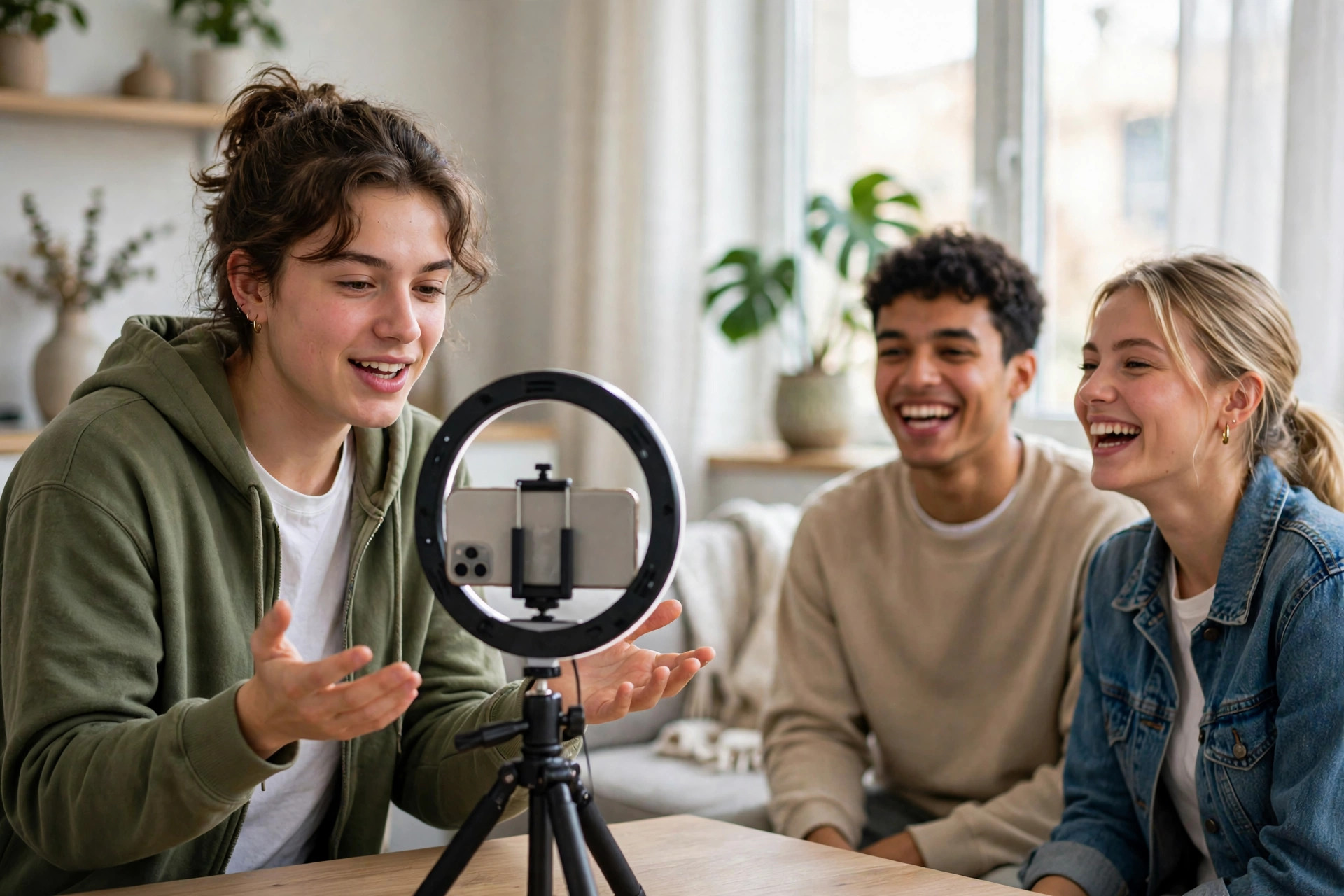
Almost no video explodes from zero. Most viral hits begin with a small group — the creator’s followers, a community forum, or a group chat — who find the content genuinely worth sharing. If that first circle shares enthusiastically, the platform’s algorithm notices and shows the video to a slightly bigger circle, then a bigger one. This staircase effect is the engine behind how viral videos spread online: each wave of sharing unlocks the next wave of viewers. You can watch this process happen in real time by following the stories gathered in our Viral News section.
Emotion Is the Fuel
Studies of sharing behaviour keep finding the same truth: people share what makes them feel something strongly. Laughter, awe, surprise, warmth and even outrage all travel fast, while mild contentment travels slowly. A video that makes viewers say “you have to see this” within the first ten seconds has a structural advantage over a merely good video. Creators who understand this design their opening moments carefully, putting the funniest, strangest or most moving moment up front instead of building slowly toward it.
Identity and Usefulness Play a Role Too
People also share videos that say something about themselves — their humour, their hometown, their profession, their fandom. And practical videos spread steadily for a different reason: a clever life hack or a satisfying repair clip gets saved and forwarded because it is useful. The biggest hits often combine several triggers at once: emotional, identity-based and useful. The same mix drives the stories people follow in our Entertainment section, where fan communities amplify everything they love.
The Algorithm Decides the Ceiling
Sharing starts the fire, but the platform’s recommendation system decides how big it gets. Algorithms track watch time, rewatches, comments and shares in the first hours. A video that keeps people watching to the end gets promoted to home pages and recommendation feeds, which is where views jump from thousands to millions. This is why two nearly identical videos can have wildly different fates: one caught the algorithm’s early signals, and the other did not. Timing, captions for silent autoplay, and an intriguing first frame all help a video earn that initial push.
Remixes, Reactions and the Second Wave
Truly huge videos rarely spread in their original form alone. Duets, reaction videos, parodies, memes and news coverage create a second and third wave, introducing the clip to audiences who would never have seen the original. Each remix is free distribution for the original idea. This is a key part of how viral videos spread online in the modern era: the audience becomes the marketing department. Sometimes the copies even outperform the source, which is why a dance, a sound or a catchphrase can feel inescapable for a week and then vanish completely.
Why Virality Fades So Fast
The same speed that creates a viral moment also ends it. Feeds refresh constantly, novelty decays within days, and the next clip is already climbing. Most viral videos earn the majority of their lifetime views within the first week. For creators, this means one viral hit is a beginning, not a career: the smart ones convert the attention into followers before the wave passes, a pattern you can see across the creator stories on our home page.
The Role of Group Chats and Communities
Before a video ever reaches the big feeds, it usually passes through private spaces: family group chats, fan communities, workplace channels and hobby forums. These small networks act as quality filters and accelerators at the same time. A clip shared by a trusted friend carries an endorsement that no advertisement can buy, which is why content often explodes inside one community — a sport, a language group, a profession — before crossing over to the general public. Many of the clips dominating our Viral News pages each week followed exactly that path: private first, public second, everywhere third.
Community context also shapes meaning. A joke that is hilarious inside a fandom may confuse everyone else, while a local news clip can become national once it escapes its original circle. Understanding this layered spread explains why viral content sometimes feels like it arrived from nowhere: you simply were not in the rooms where it started.
What This Means for Everyday Viewers
Knowing how viral videos spread online makes you a sharper viewer. When something appears everywhere at once, you can ask who benefits from you sharing it, whether the emotional hook is laughter or outrage, and whether the clip shows the full story or a trimmed version. Virality is a distribution pattern, not a quality certificate — and it is definitely not a truth certificate. Pausing before sharing is the simplest digital habit there is.
Can Virality Be Manufactured?
Brands and creators naturally ask whether the process can be forced. Money can buy promotion, and skilled editors can stack the triggers described above, but genuine virality still cannot be purchased outright. Audiences detect manufactured moments quickly, and the largest breakouts almost always contain one unplanned, authentic ingredient — a genuine reaction, a lucky accident, a real person’s unscripted joy. The lesson for anyone hoping to be shared is humbling and useful: engineer everything you can, then leave room for something real to happen on camera.
Conclusion
How viral videos spread online comes down to a loyal first audience, strong emotion, algorithmic promotion and an army of remixes, all moving at extraordinary speed. None of it is pure luck, and none of it guarantees importance. Once you understand the machinery, viral moments become easier to enjoy for what they are — brief, fascinating fireworks in the feed — without mistaking them for the whole sky.