
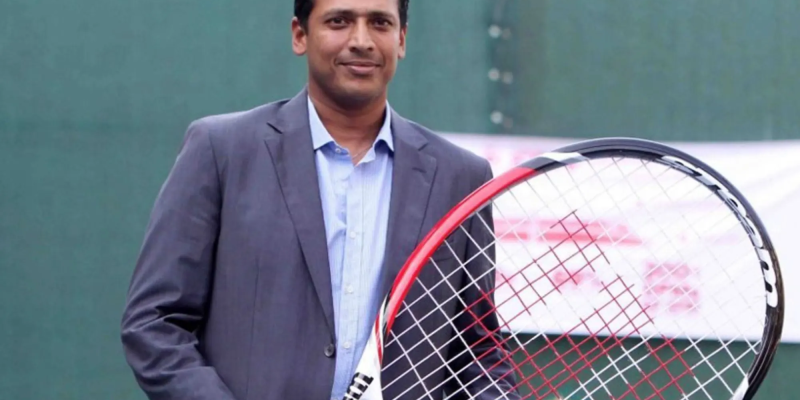
Mahesh Bhupathi’s career provides a useful example of how an athlete can convert sporting experience into work beyond competition. As India’s first player to win a Grand Slam title, he became associated with the growth of Indian doubles tennis. Yet his influence did not end with trophies. During and after his playing years, Bhupathi moved into athlete representation, event development, sports management, and business, using knowledge accumulated on the professional tour in a different role.
That transition reflects a wider change in professional sport. Athletes now operate inside an economy that includes media, events, digital platforms, sponsorship, management, and entertainment products such as ice fishing india, so retirement does not necessarily mean leaving the sports industry. For Bhupathi, the key was understanding that his playing career had produced more than results. It had also created contacts, market knowledge, credibility, and an understanding of how athletes interact with commercial systems.
His Playing Career Created Credibility
Bhupathi’s first advantage in business was experience at the highest level of tennis.
He won major doubles and mixed doubles titles and spent years competing internationally. This gave him direct knowledge of tournament organization, sponsorship obligations, player schedules, travel, media relations, and the economics surrounding professional athletes.
That knowledge is difficult to obtain from outside sport.
An executive can study the industry, but a former player understands how commercial decisions affect preparation and performance. Bhupathi could therefore approach sports management from both sides: as someone who had been the athlete and as someone building services around athletes.
His results gave him credibility, while experience gave that credibility practical value.
Doubles Helped Build a Network
Doubles tennis is based on partnerships, and Bhupathi’s career required constant interaction with players from different countries.
Professional tennis also brings athletes into contact with coaches, tournament organizers, sponsors, agents, broadcasters, and governing bodies.
Over time, those relationships form a network.
Networks matter in sports business because many opportunities depend on trust. An athlete choosing representation, a company considering a sponsorship, or an organizer developing an event often prefers to work with people who already understand the environment.
Bhupathi entered his post-playing career with years of relationships already established.
This reduced the distance between being a participant in professional tennis and becoming someone capable of organizing activity around it.
Athlete Management Was a Logical Transition
One of Bhupathi’s major moves outside competition was into athlete management.
The transition made sense because he understood problems athletes face when their careers begin to attract commercial interest.
A young player may know how to train and compete but have little experience negotiating sponsorship agreements, evaluating media opportunities, or building a public identity.
Management attempts to organize these areas.
The objective is not simply to find endorsements. Effective representation requires understanding whether an opportunity fits the athlete’s schedule, reputation, audience, and long-term plans.
Bhupathi’s background gave him a useful perspective: commercial activity must support the athlete’s career rather than interfere with it.
Sports Management Extends Beyond Tennis
A significant feature of Bhupathi’s second career was his willingness to work beyond the sport that made him famous.
Sports management operates across disciplines because many commercial problems are similar.
Athletes need representation. Companies need credible partnerships. Events require audiences. Media rights need distribution, while public appearances must be coordinated with training and competition.
This creates room for management companies capable of connecting different parts of the system.
Moving beyond tennis also reduces dependence on one sport.
For a former athlete, this is an important transition. Personal expertise may begin in a specific discipline, but business growth often requires identifying principles that can be applied elsewhere.
Event Creation Changed His Role
Bhupathi also became involved in developing new competition formats and tennis events.
This represented another shift in perspective.
A player enters a tournament and responds to conditions created by organizers. An event developer must think about the entire product: player recruitment, schedule, venues, broadcasting, sponsorship, audience interest, and financial sustainability.
The questions become different.
Which players will attract attention? How should teams or matches be structured? What format can maintain audience interest? How can the event fit around an existing international calendar?
Experience as a player can inform these decisions, but it cannot answer all of them. Event development requires Bhupathi to think as an operator rather than a competitor.
Reputation Became Business Capital
Elite athletes accumulate a form of capital that does not appear on a balance sheet: recognition.
Bhupathi’s name was already associated with Indian tennis before he entered management and entrepreneurship. That recognition could open conversations with athletes, companies, investors, and organizers.
However, reputation only creates an introduction.
A business must still deliver results.
This distinction is important when examining athlete entrepreneurship. Fame may reduce the difficulty of getting the first meeting, but it cannot replace execution, financial planning, staff management, or strategy.
Bhupathi’s post-tennis career therefore depended on converting sporting reputation into structures capable of operating independently from his playing record.
Retirement Requires a New Measure of Success
Professional athletes are accustomed to clear outcomes.
A match ends with a winner. Rankings provide numerical comparisons. Titles can be counted.
Business offers fewer immediate answers.
A project may take years to become profitable. An athlete-management relationship may need time before its value becomes visible. An event can succeed commercially while producing mixed sporting outcomes.
For former competitors, adjusting to these timelines can be difficult.
Bhupathi’s transition required moving from personal performance to organizational performance.
Instead of asking whether he had won the match, the relevant questions became whether a company was growing, whether an athlete was being represented effectively, or whether an event could continue.
Experience Became the Product
The central feature of Bhupathi’s post-playing career is that he did not abandon the knowledge created by tennis.
He reorganized it.
Competition had taught him how athletes work, how international sport is structured, and how commercial relationships interact with performance. His network provided access, while his reputation created initial trust.
Management and entrepreneurship then allowed those resources to be used differently.
This is why Bhupathi’s career beyond the court is more than a story about an athlete finding another occupation after retirement. It illustrates how professional experience can become an economic asset.
His playing career produced titles. His second career has been about building systems around athletes, events, and sports business. The court established his name, but understanding the industry gave that name a role after the matches ended.