
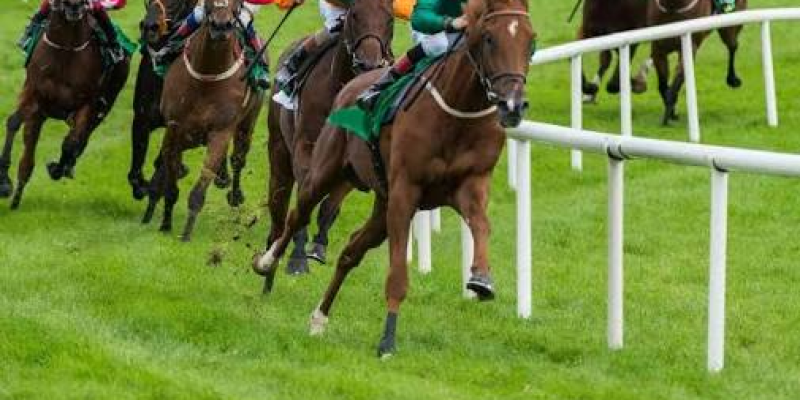
Horse racing is a sport built around speed, endurance, skill, and preparation. Every event can bring a different challenge because horses, jockeys, trainers, race distances, and track conditions are constantly changing. For enthusiasts who enjoy learning about races and following turf events, having access to relevant information can make the experience more enjoyable. Messi Turf 10 is an online resource for people interested in horse racing and turf-related topics.
Exploring Messi Turf 10
Messi Turf 10 provides content related to horse racing and turf. People who follow racing often want to understand more than simply who wins a particular event.
Information about participating horses, previous results, jockeys, trainers, race distances, and track conditions can provide useful context. Exploring these factors can help enthusiasts understand why each race can develop differently.
The Basics of Horse Racing
Horse racing has a long history and remains a popular competitive sport. Events can take place across different tracks and distances, with each race presenting its own set of challenges.
A horse’s previous performance can offer helpful background information, but it does not guarantee how the horse will perform in a future event. Changes in competition, weather, surface, and tactics can all influence the result.
This uncertainty is part of what makes racing exciting to follow.
Understanding Racehorses
Each racehorse has its own history and experience. Some may have participated in many competitions, while others may have a shorter racing record.
Fans can explore previous results to understand how a horse has performed under different circumstances. Looking at race distances and surfaces can also provide additional information.
However, historical performance should be used for context rather than considered a definite prediction.
The Role of Jockeys
Jockeys are an essential part of horse racing. They need to guide their horses while managing speed, positioning, and timing throughout the race.
During a competitive event, situations can change quickly. Jockeys may need to adjust their approach depending on the movements of other horses and the conditions of the race.
Learning about jockeys can help fans appreciate the strategic and technical side of the sport.
Trainers and Race Preparation
A significant amount of work takes place before race day. Trainers prepare horses through conditioning, exercise, and carefully planned routines.
The training approach may depend on the horse’s physical condition, experience, schedule, and the type of race it is preparing for.
This preparation plays an important role in horse racing and demonstrates how much effort is required before competitors reach the starting line.
Track Conditions and Weather
The racing surface can affect the way horses perform. Weather, maintenance, and other environmental factors can change the condition of a track.
A wet surface may create a different challenge from a dry track, while individual horses may have different levels of experience with certain conditions.
For racing enthusiasts, considering the course can provide another useful perspective when following an event.
Why Race Distance Matters
The distance of a race can influence its strategy. Shorter events may emphasize acceleration and speed, whereas longer races may require endurance and careful pace management.
Fans may compare the distance of an upcoming event with the previous races of participating horses.
This information can help provide context, although distance is only one of many factors that can affect the final result.
Finding Racing Information Online
The internet has made it easier for enthusiasts to access information about horse racing. Dedicated online platforms can bring together different racing topics and make research more convenient.
Messi Turf 10 can be explored by readers interested in horse-racing and turf-related information. Online resources can help fans become more familiar with races and competitors.
When using online content, readers should distinguish between factual information, analysis, and predictions.
Understanding Racing Statistics
Statistics can be useful for reviewing previous performances. Race history, finishing positions, and other available information can help enthusiasts understand how competitors have performed in the past.
However, statistics do not guarantee future results. Every race has different circumstances, and unexpected factors can influence the final outcome.
Using several relevant details together is generally more informative than relying on one statistic alone.
Responsible Racing Interest
Horse racing can be enjoyed as a sport and form of entertainment. Predictions and tips may be interesting to enthusiasts, but they should never be viewed as guaranteed results.
Weather, tactics, horse performance, and other race-day circumstances can change the outcome.
A responsible approach is to use racing information for research and entertainment while recognizing the uncertainty that comes with competitive sport.
Conclusion
Horse racing combines athletic ability, preparation, tactical decisions, and changing conditions. The performance of horses, the skills of jockeys, the work of trainers, race distances, and track conditions all contribute to each event.
Messi Turf 10 provides an online destination for readers interested in exploring horse-racing and turf information. Whether you are already a racing enthusiast or are learning about the sport for the first time, exploring these different aspects can make each event more interesting.
By using reliable information and understanding that no race result is guaranteed, fans can enjoy the strategy, preparation, and excitement that make horse racing such a fascinating sport.