
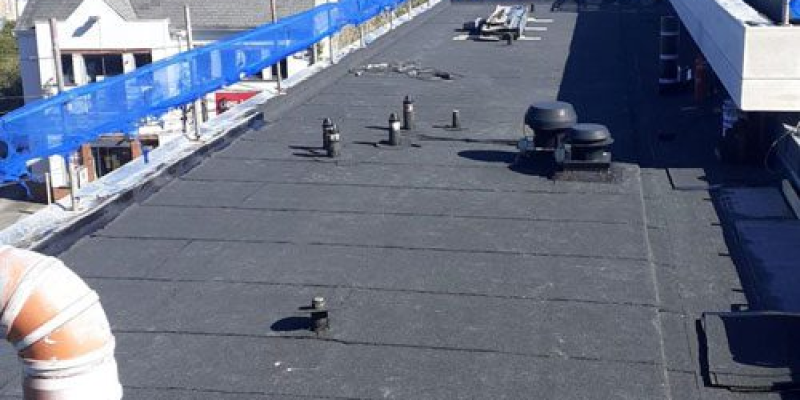
A well-maintained roof is essential for protecting any property from rain, wind, moisture, and changing weather conditions. Flat roofs are commonly found on residential extensions, garages, apartment buildings, offices, and commercial premises. Although they offer practical design advantages, they also require regular attention to maintain their waterproofing and drainage systems. Small problems can develop into expensive repairs when ignored, making timely flat roof repairs in Dublin an important investment for homeowners and business owners.
Dublin’s frequent rainfall and changing weather can gradually affect roofing materials, particularly when an existing roof has damaged membranes, blocked drainage outlets, or poorly maintained joints. Addressing these issues early can help prevent water penetration, structural deterioration, and unnecessary maintenance expenses. Understanding the importance of prompt repairs allows property owners to make better decisions and protect their buildings over the long term.
Understanding Common Flat Roof Problems
Flat roofs are designed with a slight slope to direct rainwater towards drainage outlets. Unlike traditional pitched roofs, they do not rely on steep angles to move water away from the surface. This makes effective waterproofing and proper drainage particularly important.
Over time, different issues can affect the condition of a flat roofing system. Some problems develop gradually, while others appear following storms or changes in temperature.
Common flat roof problems include:
- Cracks or splits in the waterproofing membrane.
- Water pooling on the roof surface.
- Damaged seams and joints.
- Loose or deteriorating roof coverings.
- Blocked gutters and drainage outlets.
- Leaks around roof edges, vents, and skylights.
- Deteriorating flashing and roof details.
Recognising these warning signs early can help property owners arrange suitable repairs before the damage spreads.
1. Preventing Minor Leaks From Becoming Major Problems
One of the biggest advantages of timely roof repairs is preventing small leaks from developing into serious water damage.
A tiny opening in a roofing membrane may allow rainwater to enter the building. Initially, the signs might only appear as a small damp patch on a ceiling or a faint water stain. However, continued moisture exposure can affect plasterboard, insulation, timber supports, and internal finishes.
If the problem remains untreated, property owners may eventually face extensive repair work involving several parts of the building.
Professional flat roof repairs in Dublin help identify the source of water penetration and address the affected area before the damage becomes more widespread.
Prompt attention can often make repairs simpler and reduce the possibility of additional expenses.
2. Protecting the Structural Condition of Your Property
Water entering through a damaged roof can gradually affect the building’s internal structure. Timber components may become damp, insulation can lose some of its effectiveness, and persistent moisture can contribute to mould growth.
These problems may not always be immediately visible. Sometimes, water travels along internal surfaces before appearing in a completely different location from the original roof damage.
A professional roofing inspection can help identify vulnerable areas and determine whether moisture has affected other components.
Repairing damaged roofing materials promptly helps maintain the protective barrier between the property and the external environment.
For homeowners and commercial property managers, this preventive approach can help avoid more complicated building maintenance projects.
3. Improving Energy Efficiency
A damaged flat roof can also affect a building’s energy performance. When moisture enters insulation materials, their ability to provide effective thermal protection may decrease.
As a result, the property may become harder to keep warm during colder months. Heating systems may need to work harder to maintain comfortable indoor temperatures, potentially increasing energy consumption.
Timely repairs help restore the roof’s waterproofing and protect the insulation from further exposure to moisture.
If the roofing system has widespread deterioration, a professional may also recommend reviewing the condition of the insulation during renovation work.
Combining suitable repairs with appropriate insulation improvements can support better indoor comfort and more efficient energy use.
4. Avoiding Expensive Emergency Roofing Work
Unexpected roofing problems can create inconvenience and financial pressure, particularly when they occur during periods of heavy rainfall or strong winds.
For example, a damaged membrane may allow water to enter a building during a storm. If the leak affects electrical fittings, ceilings, flooring, or business equipment, the overall repair costs can increase considerably.
Emergency roofing work may also involve temporary protective measures before permanent repairs can be completed.
Regular inspections and prompt maintenance provide an opportunity to identify developing problems under more manageable conditions.
Property owners can arrange repairs in advance, compare quotations, and plan the work around their schedules instead of responding to an urgent situation.
5. Extending the Lifespan of Flat Roofing Materials
Flat roofing systems are available in different materials, including EPDM rubber, felt, and single-ply membranes. Each option has its own installation requirements, maintenance needs, and expected service life.
Even durable materials can deteriorate when exposed to continuous weather conditions or neglected maintenance.
Small cracks, loose seams, damaged edges, and minor surface defects may gradually become larger problems if left untreated.
Professional maintenance helps identify these issues and determine whether localised repairs are suitable.
Taking care of an existing roofing system can help property owners maximise the value of their original installation and delay the need for a complete replacement.
However, when a roof has extensive damage or has reached the end of its useful life, replacement may be more economical than repeated repairs.
6. Preventing Mould and Indoor Moisture Problems
Roof leaks do not only affect the external structure of a property. They can also create uncomfortable indoor conditions.
Persistent moisture may contribute to mould growth, unpleasant smells, damaged ceilings, and deterioration of internal decoration. These problems can affect both residential and commercial environments.
In homes, damp conditions may reduce indoor comfort and damage furniture or stored belongings. In workplaces, moisture problems can disrupt normal activities and create additional maintenance responsibilities.
Repairing the source of water penetration is an important first step towards addressing these issues.
Property owners should also ensure that affected internal materials are properly dried and assessed. Simply covering a damp patch without fixing the underlying roof problem will not provide a lasting solution.
7. Maintaining Property Value and Appearance
The condition of a roof can influence how a property looks and how potential buyers or tenants perceive its overall maintenance.
Visible water stains, damaged ceilings, damp patches, and neglected roofing materials may create concerns during property inspections.
On the other hand, a well-maintained roof demonstrates that the building has received appropriate attention.
Regular flat roof repairs in Dublin can help protect both the appearance and functionality of a property. This is particularly important for landlords, commercial property owners, and anyone considering selling or renting their building.
Keeping maintenance records and retaining details of completed roofing work can also be useful when discussing the property’s condition with prospective buyers or tenants.
8. The Importance of Professional Roofing Assessments
Although some roofing problems may appear straightforward, identifying their actual cause can be more complicated than expected.
For instance, water entering through a ceiling may originate from damaged flashing, a membrane defect, a poorly sealed roof outlet, or another vulnerable area.
Applying a temporary covering without investigating the source may only provide short-term relief.
Professional roofers have the experience and equipment needed to inspect roofing systems and recommend appropriate repairs.
When choosing a contractor, property owners should consider:
- Relevant experience with flat roofing systems.
- Appropriate insurance coverage.
- Knowledge of different roofing materials.
- Clear and detailed written quotations.
- Positive customer feedback and references.
- Suitable workmanship guarantees, where available.
A reliable contractor should explain the problem, outline the recommended solution, and provide a clear understanding of the expected work and costs.
9. Simple Maintenance Tips to Reduce Future Repair Costs
In addition to arranging professional inspections, property owners can follow a few practical maintenance habits.
Keep Drainage Systems Clear: Gutters and outlets should be checked regularly to prevent leaves and debris from restricting water flow.
Monitor Interior Warning Signs: Damp patches, peeling paint, and unusual ceiling stains may indicate roofing problems.
Arrange Inspections After Severe Weather: Strong winds and heavy rainfall can expose weaknesses in roofing materials.
Avoid Unnecessary Roof Traffic: Walking on flat roofing membranes without suitable precautions may damage the surface.
Address Visible Damage Promptly: Cracks, loose coverings, and damaged roof edges should be assessed before they deteriorate further.
These simple steps can support the long-term condition of a flat roof and help reduce avoidable maintenance expenses.
Conclusion
Flat roofs provide practical and attractive solutions for many residential and commercial properties, but they require appropriate maintenance to remain effective. Small leaks, damaged membranes, blocked drainage systems, and deteriorating joints can lead to more serious problems when ignored.
Arranging timely flat roof repairs in Dublin helps property owners prevent water damage, protect insulation, maintain structural condition, and avoid unnecessary emergency expenses. Regular inspections and professional maintenance can also extend the useful life of existing roofing materials.
Rather than waiting for a visible leak or major roofing failure, property owners should take a proactive approach to roof maintenance. Addressing problems early is often a more practical and economical way to protect a building and maintain its value for years to come.