
Many parents assume that dental visits can wait until their child has a full set of teeth, or until they are old enough to sit still and follow instructions. It is an understandable assumption, but it is one that can lead to preventable problems down the track. The timing of a child’s first dental visit surprises most parents, and once they understand why it matters, starting early makes complete sense. Here is what you need to know.
The Recommended Age for a Child’s First Dental Visit
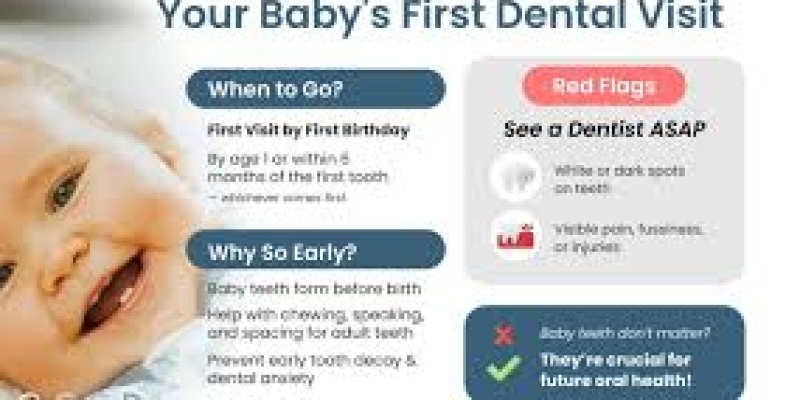
The recommendation from dental and medical bodies including the American Academy of Pediatric Dentistry is that children should have their first dental visit by their first birthday, or within six months of their first tooth appearing, whichever comes first. For most babies this means a dental visit somewhere between six and twelve months of age.
This recommendation exists because tooth decay can begin as soon as the first tooth erupts, and early intervention is far simpler and less costly than treating decay that has been allowed to progress. Many parents delay the first visit because they assume there is nothing to look at yet, or because they expect it to be stressful for a young child. In practice, first visits for babies and toddlers are brief, gentle, and largely focused on education for parents rather than treatment for the child.
Why Starting Early Matters
Baby teeth are not simply placeholders that will eventually fall out. They play a critical role in a child’s ability to speak clearly, chew food properly, and maintain the space that permanent teeth need to grow into the correct position. When baby teeth are lost too early due to decay or damage, the surrounding teeth can shift and create crowding or alignment problems that may require orthodontic treatment later.
Tooth decay can begin the moment a tooth breaks through the gum. Early dental visits give the dentist the opportunity to assess the risk of decay, identify any early signs of a problem, and provide parents with the guidance they need to protect their child’s teeth at home. Catching a developmental concern early, whether related to the bite, the jaw, or the way teeth are coming through, means it can be managed before it becomes a more complex issue.
What to Expect at Your Child’s First Dental Visit
The first visit is far less intimidating than many parents expect. The dentist will gently examine the teeth, gums, jaw, and bite, and assess the overall development of the mouth. For very young children this may involve the child sitting in the parent’s lap rather than the dental chair.
The dentist will also evaluate the risk of early childhood tooth decay based on factors such as feeding habits, fluoride exposure, and family history. A significant part of the visit is spent talking with parents about brushing technique, the right amount of fluoride toothpaste to use, which foods and drinks to limit, and how to establish good habits at home. Bringing any questions you have about your child’s teeth and development to this appointment is strongly encouraged, as it is as much an opportunity for you as it is for your child.
How Often Should Children See the Dentist After the First Visit?
For most children the recommendation is to visit the dentist every six months. This regular schedule allows the dentist to monitor the growth and development of the teeth and jaw over time, identify any emerging issues early, and build a relationship with the child that helps them feel comfortable and familiar with dental care. For a broader understanding of what dental care for kids involves at each stage of childhood, knowing what the dentist is looking for at each visit helps parents stay informed and engaged.
Some children may need to visit more frequently than every six months, particularly those who are at a higher risk of tooth decay due to diet, oral hygiene habits, or the composition of their saliva. The dentist will assess each child individually and recommend a schedule that suits their specific needs. Consistency matters. Children who attend regular checkups from an early age tend to develop a more positive attitude toward dental care, which makes every future visit easier for both the child and the parent.
Signs Your Child May Need to See a Dentist Sooner
While six-monthly checkups are the standard, there are situations where a child should be seen sooner rather than waiting for the next scheduled appointment. White or chalky spots on the teeth are among the earliest signs of enamel breakdown and should be assessed promptly. Visible discoloration, dark spots, or pitting on any of the baby teeth also warrant an earlier visit.
If your child complains of tooth pain or sensitivity when eating or drinking, do not wait. Swollen or bleeding gums, persistent mouth breathing, snoring, or any signs of difficulty sleeping that might be related to the airway are also worth raising with a dentist. Injuries or trauma to the mouth, including knocked or chipped teeth, should always be seen as soon as possible. Parents are often the first to notice when something is not quite right, and acting on that instinct quickly is always the right call.
Common Concerns Parents Have About Early Dental Visits
One of the most common hesitations is that a young child will not cooperate in the dental chair. Pediatric dentists and family dentists experienced with children are trained to work with very young patients and know how to make the experience calm and engaging. Most first visits go more smoothly than parents anticipate.
Some parents wonder whether there is any point visiting before the child has many teeth. The answer is yes. Gum health matters, and the habits established in those early months set the tone for everything that follows. The concern that baby teeth do not need as much attention because they will eventually fall out is one of the most common misconceptions in children’s dental health. Baby teeth are in the mouth for years and play a vital role in development. Treating decay in a baby tooth is not only possible but important.
Dental anxiety is another concern, and early visits are actually the most effective prevention for it. Children who visit the dentist regularly from a young age, before they have any treatment to fear, grow up associating the dental chair with something familiar and routine rather than something frightening.
Tips for Making the First Dental Visit a Positive Experience
Choose a dental practice that has experience with young children and creates a welcoming environment for families. Talk positively about the dentist at home in the lead up to the visit, keeping the language light and matter of fact. Avoid sharing stories of painful or unpleasant dental experiences with your child, even casually.
Role playing a dental visit at home can help demystify the experience. Let your child look inside your mouth, then take a turn having you gently look inside theirs. Schedule the appointment at a time of day when your child is typically well rested and in a good mood. Bringing a favourite toy or comforter can also help a young child feel settled in an unfamiliar environment.
Takeaways
The first dental visit should happen by your child’s first birthday or within six months of the first tooth appearing. Starting early leads to better outcomes, less anxiety, and a more positive lifelong relationship with dental care. Do not wait for a problem to appear before booking that first appointment. Prevention is always easier, gentler, and less costly than treatment, and the habits established in these early years can last a lifetime.