
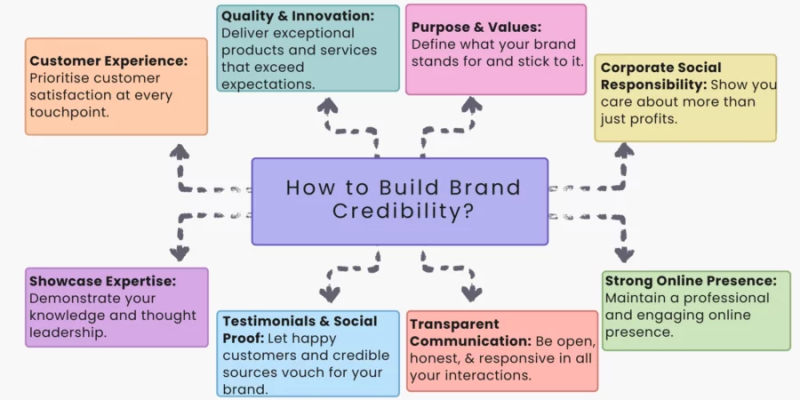
When a new business starts building an online presence, attention often goes first to the website: its design, its services and the words on its landing pages. But credibility develops beyond the site itself. Useful content, trustworthy mentions from other websites and a product that works as promised all contribute to whether people feel confident taking the next step.
These pieces support one another. A well-built website gives visitors a good experience, while relevant coverage can help new audiences discover it. Neither is a shortcut to trust, though. Both require clear decisions about quality and a willingness to invest effort before expecting results.
Think of backlinks as recommendations
A backlink is a link from one website to another. Search engines may use links as signals when assessing pages, but a link is not automatically valuable simply because it exists. The strongest links make sense in context: a reader might reasonably follow one to learn more, check a source or find a related resource.
That perspective changes how businesses approach link building. Instead of collecting as many links as possible, look for opportunities that connect your work with the right audience. A mention from a site covering your industry may be more useful than a placement on a general site with no meaningful connection. Relevant visitors can discover your work, and the link has a clear editorial reason to be there.
Before approaching a publisher, assess the site rather than relying on a single metric. Check whether its content is current and useful, whether it attracts real readers, and whether its editorial standards are apparent. Consider if the page’s subject fits your own and whether the proposed link would help someone reading it. This backlink quality guide outlines practical checks, including relevance, organic traffic, editorial standards and placement.
Prioritise the reader over the placement
Good outreach begins with a reason to contribute. A business might offer a specialist explanation, original research, a useful checklist or a fresh perspective on a problem the publisher already covers. The idea should stand on its own, even if the link is removed. If the only purpose of a proposed article is to insert a target phrase, readers and editors are likely to notice.
Placement matters, too. A link included naturally in the main text can be more helpful than one tucked into an unrelated list or crowded page footer. The surrounding paragraph should explain why the destination is relevant. Use descriptive anchor text that sets an honest expectation; avoid forcing the same exact phrase into every mention. A varied, reader-first approach makes links easier to understand and less distracting.
It is also sensible to review a potential partner’s site for signs of care. Is the writing original? Are topics covered with some consistency? Does the site appear to publish material solely to host paid links? A quick review cannot guarantee future performance, but it can help rule out placements that are unlikely to build lasting credibility. Keep a record of outreach, placements and relevant referral activity so you can learn which relationships bring the right audience.
Make the destination worth visiting
Even a relevant mention has limited value if the linked page is confusing, slow or thin on useful information. Before seeking coverage, make sure your own site answers basic questions: what do you offer, who is it for, and what should a visitor do next? Add enough detail to substantiate claims, make contact options easy to find, and check the experience on mobile devices.
For a startup, the product itself is part of that credibility. A business that is still developing an MVP may need technical help before it can confidently send customers or partners to a product page. Founders weighing their options can read about hiring programmers on Osdire, including how to define a brief, choose a suitable programmer and compare costs. Osdire is a freelance marketplace with services across programming and other categories, so it can be one place to explore project support. The important step is to describe the work clearly and agree on what a successful delivery includes.
That same clarity helps with marketing. A publisher should understand the proposed contribution, a freelancer should understand the project scope, and a visitor should understand the offer. Clear expectations reduce wasted effort across each part of building a business.
Build momentum steadily
Online credibility rarely arrives through one campaign. Publish material that answers real questions, build relationships with relevant publishers, and improve the pages people reach from those mentions. Track meaningful outcomes such as qualified visits, enquiries or useful conversations, not just the raw number of links.
Finally, treat quality as an ongoing standard rather than a one-time checklist. Review older pages, update information that has changed and keep an eye on where your brand is being mentioned. When links are relevant, editorially justified and helpful to readers, they can support discovery without becoming the whole strategy. Pair that work with a dependable product and clear communication, and each part of your online presence has a better chance of earning trust.