
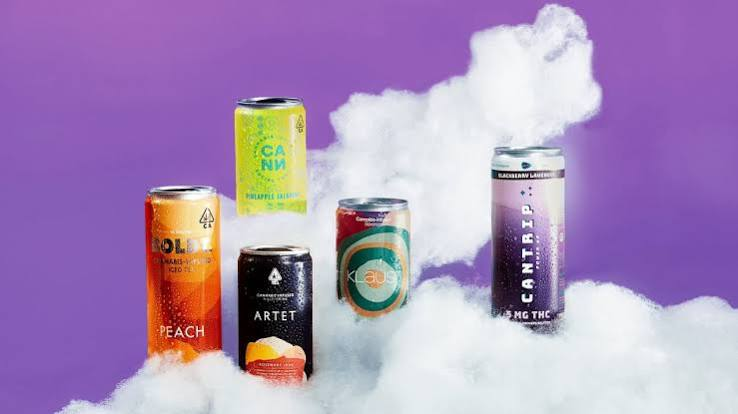
THC beverage products are available in several formats, and the distinction between them is not always obvious from the packaging. Some are prepared drinks containing cannabinoids, while others are concentrated additives designed to be mixed into another beverage. An 8mg THC beverage booster belongs to the second category when the product is sold as a measured liquid enhancer. Its label communicates a stated cannabinoid quantity, but shoppers still need to understand what that number represents. Before considering a THC beverage booster 8mg, review its serving information, complete formulation, and preparation instructions.
The booster format gives manufacturers a way to package cannabinoid ingredients separately from the beverage they are intended to accompany. This creates differences in packaging, serving measurements, and product descriptions compared with ready-to-drink options. The number printed on the label also needs to be interpreted in context. Understanding the format helps consumers assess what a product contains without confusing the amount per unit with the amount in an entire package.
What Is a THC Beverage Booster?
A THC beverage booster is a concentrated beverage additive formulated with THC. Rather than arriving as a complete drink, it is generally supplied in a small liquid portion or another measured format intended for use with a separate beverage. The product label should explain its contents and provide the manufacturer’s preparation instructions. Depending on the formulation, it may contain THC alongside CBD and other ingredients. The exact composition varies by product, so the label should always be the starting point.
The term booster describes the product format, not a standardized cannabinoid concentration. One brand’s booster may have a different formulation, package size, or serving measurement from another brand’s product. Some products are packaged in individual portions, while others may contain multiple servings. These differences affect how the stated cannabinoid quantity should be interpreted. A product name alone cannot establish its contents or intended serving.
A product listing should make several details clear:
- Product format: Whether the item is a liquid additive, powder, or prepared beverage.
- Cannabinoid composition: Which cannabinoids are included in the formulation.
- Stated quantity: The amount of THC and any other listed cannabinoids.
- Package contents: The number of individual portions or servings supplied.
- Preparation instructions: How the manufacturer says the product should be handled or incorporated into a beverage.
These details help distinguish a beverage additive from a finished drink. They also provide a basis for comparing products without relying on promotional descriptions. If the listing does not explain its serving measurements, ask the manufacturer for clarification before purchasing.
What Does 8mg Mean on the Label?
An 8mg statement identifies a stated quantity of a substance, but shoppers need to establish exactly what the figure refers to. It may describe the THC content in one individual portion, one serving, or another defined quantity. It should not automatically be interpreted as the amount in the entire box or container. The package label and serving information should explain the measurement. If the product description and packaging use different figures, the manufacturer should clarify the difference.
For products containing multiple cannabinoids, each compound should be identified separately. An 8mg THC statement does not tell the reader how much CBD may also be present. A combined cannabinoid figure can be particularly confusing if the individual quantities are not shown. Check whether the label separates THC from CBD and identifies the amount of each per stated serving. This distinction matters when comparing formulations with different cannabinoid combinations.
When interpreting an 8mg label, check:
- Whether 8mg refers specifically to THC.
- Whether the quantity applies to one snap, serving, or package.
- How many individual portions are included.
- Whether CBD or other cannabinoids are listed separately.
- Whether the product description matches the physical packaging.
- Whether the manufacturer provides clear serving and preparation instructions.
The number should be treated as product information, not as a personal consumption recommendation. THC can cause intoxication and impair coordination, attention, and judgment. Individual responses can vary, and an amount that appears small on a label should not be assumed to be suitable for every adult. Follow the product’s legal requirements and warnings, and consult a qualified healthcare professional if you have questions about medication or health considerations.
Beverage Booster vs. Ready-to-Drink THC Beverage
The main difference between a beverage booster and a ready-to-drink product is how the finished beverage is supplied. A ready-to-drink THC beverage arrives as a prepared liquid containing its stated cannabinoid formulation. A booster is a separate additive intended to be incorporated into another beverage according to the manufacturer’s directions. Both formats may contain THC, but their packaging and preparation requirements are different. Comparing them requires attention to the label rather than assumptions based on the product category.
Ready-to-drink products generally identify the liquid volume, cannabinoid quantity, and serving information for the packaged beverage. A booster may instead identify the amount of concentrated liquid or the contents of an individual portion. The serving measurement for an additive should not be confused with the volume of the beverage it is added to. Manufacturers should explain the intended preparation method and any relevant handling instructions. These details help consumers understand the product before making a purchase.
| Comparison point | THC beverage booster | Ready-to-drink THC beverage |
| Product format | Concentrated additive | Prepared beverage |
| Packaging | May use small individual portions or a container | Usually supplied in a bottle, can, or similar beverage package |
| Preparation | Requires use according to the product instructions | Supplied as a finished drink |
| Serving information | Should identify the additive’s stated serving quantity | Should identify the beverage’s serving and cannabinoid quantities |
| Ingredients | May include concentrated formulation ingredients | Includes ingredients used in the finished beverage |
| Storage | Depends on the additive’s packaging and label | Depends on the finished beverage’s packaging and label |
Neither format is automatically more suitable for every consumer. A booster may appeal to people who prefer a separate beverage additive, while a prepared drink provides a finished formulation. The relevant considerations include the ingredients, stated cannabinoid content, package size, and instructions. Price comparisons should also account for the number of servings supplied rather than package price alone.
THC and CBD in Beverage Boosters
Some beverage boosters contain THC alongside CBD, while others use different cannabinoid formulations. THC and CBD are separate compounds found in cannabis plants, including hemp. Delta-9 THC can produce intoxicating effects, whereas CBD does not generally cause the same type of intoxication. However, CBD can still cause side effects and interact with certain medications. A product containing both compounds should identify their quantities separately so shoppers can understand the stated formulation.
The presence of CBD does not cancel out THC or guarantee that a product will have a particular effect. Product descriptions should avoid suggesting that a cannabinoid combination removes impairment or makes consumption risk-free. Consumers should review the full formulation and warnings rather than relying on a simplified claim about the relationship between the two compounds. People taking medication or managing a health condition should speak with a healthcare professional before considering cannabinoid products.
Check Ingredients and Product Quality
The cannabinoid figures are only one part of a beverage booster formulation. Other ingredients may include flavorings, sweeteners, carrier ingredients, preservatives, or components used to maintain the liquid formulation. These ingredients can affect taste, dietary suitability, and storage requirements. Read the complete ingredient list, especially if you have allergies or avoid particular substances. Product descriptions should provide enough detail to identify the contents rather than relying on broad terms such as natural or clean.
Third-party testing can provide additional information about a product’s composition. A certificate of analysis, commonly called a COA, records the findings from laboratory testing of a particular sample. Depending on the testing panel, it may report cannabinoid concentrations and results for selected contaminants. Check the sample identification, batch details, laboratory information, and testing date. Compare the reported cannabinoid results with the quantities stated on the product label.
A laboratory report should relate to the product or batch being evaluated. A document for an unrelated formulation may not provide useful information about the item being purchased. Testing panels also differ, so a COA should be reviewed for the substances actually assessed. It does not guarantee that a product is risk-free or suitable for every person. Consider the report alongside the ingredient list, product label, and manufacturer information.
Packaging and Storage Details Matter
Individual portions and multi-serving packages can present different labeling requirements. A box containing several portions should explain the quantity in each unit and the total package contents. Check whether the stated cannabinoid amount applies to one portion or the entire box. Packaging should also protect the contents and provide readable instructions. If the product arrives damaged or the label is missing, contact the seller before using it.
Storage requirements depend on the formulation and packaging. Some products may need specific temperature or handling conditions, while others may have different instructions. Check the manufacturer’s guidance and any expiration or best-before information. Keep cannabinoid products securely stored away from children and pets. Do not transfer a product into an unmarked container where its contents and warnings could be lost.
What to Review Before Buying an 8mg Booster
A product page should provide enough information for shoppers to identify the formulation and understand the package. For example, a THC beverage brand may offer a liquid booster format with product details that can be reviewed before ordering. Check the current listing for cannabinoid quantities, portion information, ingredients, testing documentation, and preparation instructions. Do not rely on an older product description or assume that every package version has the same specifications.
Use this checklist before completing an order:
- Confirm that the product is a booster rather than a prepared beverage.
- Check what the 8mg figure represents.
- Review THC and CBD quantities separately.
- Confirm the number of portions in the package.
- Read the complete ingredient list and product warnings.
- Look for a relevant and readable certificate of analysis.
- Review storage and preparation instructions.
- Check the seller’s shipping policy and destination restrictions.
Hemp-derived THC products are subject to federal and state requirements in the United States, and rules can change. A product being available online does not establish that it can be legally sold, shipped, or possessed in every location. Verify current requirements for your state and check whether the seller accepts orders for your address. THC can impair attention, coordination, and judgment, so do not drive or operate machinery after consumption. If product specifications or ordering conditions are unclear, contact Beezy Snaps for clarification before purchasing.
Conclusion
An 8mg THC beverage booster is a measured cannabinoid additive, not necessarily a finished beverage. Understanding what the 8mg figure represents, how many portions the package contains, and which other cannabinoids are included helps prevent confusion when reviewing a product. The ingredient list, laboratory report, packaging, and preparation instructions provide further information about the formulation. Check current shipping restrictions and local laws before ordering. Clear product details are the best starting point for evaluating whether a beverage booster meets your purchasing requirements.
Frequently Asked Questions
1. What is an 8mg THC beverage booster?
An 8mg THC beverage booster is a beverage additive whose label states an 8mg THC quantity for a specified portion or serving. The exact meaning depends on the manufacturer’s labeling and package information. Check whether the figure applies to one individual unit or the entire package. Do not assume that all products using an 8mg description have the same formulation.
2. Is a THC beverage booster the same as a ready-to-drink beverage?
No. A booster is generally a concentrated additive intended to be incorporated into another beverage according to the manufacturer’s instructions. A ready-to-drink product is supplied as a prepared liquid. Their packaging, preparation requirements, and serving measurements can differ.
3. Does an 8mg THC booster also contain CBD?
Not necessarily. Some formulations contain THC and CBD together, while others may contain THC without CBD. Check the ingredient list and cannabinoid panel to identify the amount of each compound. A combined cannabinoid figure should not replace separate THC and CBD measurements.
4. How can I check the THC amount in a beverage booster?
Read the label to establish whether the stated amount applies to one portion, one serving, or the full package. Confirm the number of portions included and look for separate CBD information. A relevant certificate of analysis may provide additional laboratory findings. Contact the manufacturer if the label does not explain its measurements.
5. Are THC beverage boosters legal to order online?
Legality depends on applicable federal and state requirements, the product formulation, and the destination. Some states restrict or prohibit certain hemp-derived THC products. Check current local laws and the seller’s shipping policy before ordering. Online availability does not guarantee that a product can legally be delivered to every location.