
Longevity research examines the biological processes associated with cellular aging, mitochondrial function, and the maintenance of normal cellular activity. Among the compounds attracting scientific interest are peptides that interact with specific cellular structures and signaling pathways. Researchers exploring Buy longevity peptides should understand how these compounds differ, what published studies investigate, and why laboratory documentation matters when evaluating research materials.
US Peptide Labs features several compounds in its Anti-Aging & Longevity collection, including GHK-Cu, SS-31, Epitalon, Thymosin Alpha-1, and NAD+. Although these materials fall within a shared research category, they have different molecular structures and scientific backgrounds.
What Are Longevity Research Peptides?
Longevity research peptides are short chains of amino acids investigated for their interactions with biological systems associated with cellular function and aging. Researchers examine their molecular properties, biological activity, and potential involvement in processes such as mitochondrial signaling, cellular maintenance, and tissue-related pathways.
The term longevity peptide is a broad research category rather than a single scientific classification. Different compounds may have entirely different mechanisms, and their findings should be evaluated individually.
Understanding the Science of Cellular Aging
Cellular aging involves several interconnected biological processes. These include changes in mitochondrial function, accumulated molecular damage, altered cellular communication, and reduced efficiency in certain maintenance mechanisms. Scientists study these processes to understand how cells respond to stress and how their functions change over time.
Research into longevity-related compounds often focuses on specific biological targets rather than aging as one isolated condition. This distinction is important because a compound that influences one cellular pathway does not necessarily affect every process associated with aging.
Why Peptides Are Studied in Longevity Research
Peptides can interact with biological targets through different molecular mechanisms. Their amino acid sequences, chemical properties, and structural characteristics influence how they behave in experimental systems.
Researchers investigate selected peptides to understand their interactions with cellular membranes, proteins, enzymes, and signaling pathways. These investigations can provide information about molecular activity, but laboratory findings do not automatically demonstrate clinical benefits or establish a compound as an approved treatment.
Which Compounds Are Studied in Longevity Research?
Several compounds in the longevity research category have attracted attention because of their distinct biological characteristics. GHK-Cu is a copper-binding tripeptide, SS-31 is associated with mitochondrial research, and Epitalon is investigated in connection with telomere-related pathways.
These compounds should not be treated as interchangeable. Each has a different structure, research history, and evidence base. Reviewing them separately provides a clearer understanding of the scientific questions surrounding longevity research.
GHK-Cu and Extracellular Matrix Research
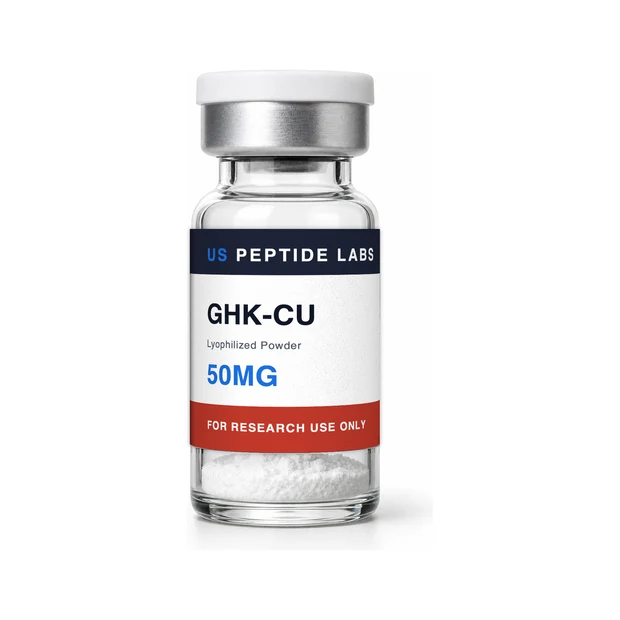
GHK-Cu is a copper-binding tripeptide composed of glycine, histidine, and lysine associated with a copper ion. Scientific studies have investigated its relationship with extracellular matrix components, cellular signaling, and gene expression.
Research involving fibroblast cultures has examined GHK-Cu’s influence on matrix metalloproteinase activity and tissue-remodeling pathways. These investigations help researchers understand how the compound interacts with processes involved in maintaining extracellular structures.
However, findings from cell-based and preclinical studies should not be interpreted as proof of established anti-aging effects in humans. The research remains focused on understanding specific molecular interactions and biological responses.
SS-31 and Mitochondrial Function
SS-31, also known as elamipretide, is a synthetic peptide investigated for its interaction with mitochondrial membranes. Mitochondria are cellular structures responsible for producing much of the energy required for normal cellular activity.
Research has examined how SS-31 interacts with cardiolipin, a phospholipid found in the inner mitochondrial membrane. This interaction is relevant to studies of mitochondrial membrane organization, bioenergetics, and cellular stress responses.
Published research has also investigated mitochondrial function in aging-related experimental models. However, the results of these studies must be interpreted according to their design and limitations. A molecular mechanism observed in research does not establish a guaranteed outcome or approved use.
Epitalon and Telomere Research
Epitalon is a synthetic tetrapeptide with the amino acid sequence Ala-Glu-Asp-Gly. It has attracted research interest because of investigations involving telomere maintenance, telomerase activity, and cellular aging markers.
Telomeres are protective structures located at the ends of chromosomes. They help preserve chromosome stability during cell division. Telomerase is an enzyme involved in maintaining telomere length in certain cell types.
Some laboratory studies have investigated Epitalon’s relationship with telomere-related pathways. Nevertheless, the available human evidence remains limited, and adequately powered clinical trials have not established its therapeutic effectiveness. Researchers should distinguish preliminary cellular findings from proven effects in people.
How Do Longevity Compounds Differ From One Another?
Although GHK-Cu, SS-31, and Epitalon are grouped within longevity research, they do not share one universal mechanism. Their differences become clearer when comparing their molecular structures and primary research areas.
The distinction is important for scientific accuracy and product evaluation. A compound’s category does not determine its biological function, and findings from one research material should not be applied to another without supporting evidence.
Comparing Their Research Areas
GHK-Cu is primarily investigated in relation to copper binding, extracellular matrix activity, and cellular signaling. SS-31 is associated with mitochondrial membrane interactions and cellular bioenergetics. Epitalon is studied in connection with telomere maintenance and other proposed cellular aging pathways.
Each compound therefore addresses a different scientific question. Researchers should identify the specific target, experimental model, and analytical methods used in relevant studies before interpreting published findings.
Is NAD+ a Longevity Peptide?
NAD+ is included in US Peptide Labs’ Anti-Aging & Longevity collection, but it is not a peptide. It is a coenzyme involved in essential cellular reactions, including processes associated with energy metabolism and oxidation-reduction activity.
NAD+ is relevant to longevity research because its availability and metabolism are connected with several cellular processes. However, it should be described accurately as a coenzyme rather than grouped with amino acid-based peptides.
This distinction demonstrates why understanding molecular identity is important when reviewing a research catalog.
Why Quality Testing Matters for Longevity Research Materials
Research quality depends on knowing what material is being evaluated and whether its analytical information supports the stated specifications. A product name or general purity statement alone cannot establish the identity and characteristics of a particular batch.
Researchers should review product details, analytical methods, and batch-specific records before relying on any laboratory material. Transparent documentation supports traceability and more consistent scientific evaluation.
Understanding Certificates of Analysis
A Certificate of Analysis, commonly known as a COA, provides analytical information about a specific product batch. Depending on the testing performed, it may include molecular identity, purity measurements, laboratory information, and testing methods.
High-performance liquid chromatography, or HPLC, is commonly used to evaluate chromatographic purity. Mass spectrometry provides complementary information that can support molecular identity. These methods measure different characteristics and should be interpreted together when appropriate.
A reported purity percentage does not independently confirm every aspect of quality. Researchers should review the full analytical report rather than relying only on a headline specification.
Batch Traceability and Supplier Transparency
Batch traceability connects a product to its corresponding analytical documentation. The lot number on the product should match the lot number identified in the certificate.
US Peptide Labs provides lot-specific documentation and explains how customers can use product-label QR codes to access the corresponding certificate. Its peptide profiles also provide information about molecular characteristics and published research areas.
Researchers should assess whether the available documentation is suitable for their own laboratory requirements and maintain appropriate records for research materials.
Conclusion
Longevity research covers several biological areas, including mitochondrial function, extracellular matrix activity, and telomere maintenance. GHK-Cu, SS-31, and Epitalon are investigated in connection with different pathways, while NAD+ contributes to the same broader research category as a coenzyme rather than a peptide.
Understanding these differences helps researchers evaluate scientific literature and avoid treating preliminary findings as established clinical evidence. Molecular identity, analytical testing, batch traceability, and transparent product information are essential considerations when reviewing Longevity research peptides.
US Peptide Labs provides product profiles and lot-specific documentation for its research catalog. For questions about available specifications or certificates, contact us.
Frequently Asked Questions
1. What are longevity research peptides?
Longevity research peptides are amino acid-based compounds investigated for their interactions with biological processes associated with cellular function and aging. Their research areas vary depending on molecular structure and biological activity.
2. What is the difference between GHK-Cu and SS-31?
GHK-Cu is a copper-binding tripeptide studied in relation to extracellular matrix activity and cellular signaling. SS-31 is a mitochondrial-targeted peptide investigated for its interactions with mitochondrial membranes and bioenergetic processes.
3. What is Epitalon studied for?
Epitalon is a synthetic tetrapeptide investigated in connection with telomere maintenance, telomerase activity, and cellular aging markers. Its clinical evidence remains limited, and further research is needed.
4. Is NAD+ a peptide?
No. NAD+ is a coenzyme involved in cellular metabolism and oxidation-reduction reactions. Although it appears in longevity research catalogs, it is chemically different from peptides.
5. Why should researchers review a COA before evaluating a peptide?
A COA provides batch-specific analytical information that can support the assessment of molecular identity and purity. Matching the certificate to the product’s lot number helps establish documentation traceability.